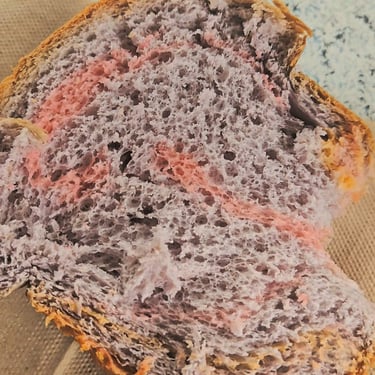
Best Things to do on the Big Island of Hawaii
All pictures are my own unless otherwise noted/sourced; do not use without permission.
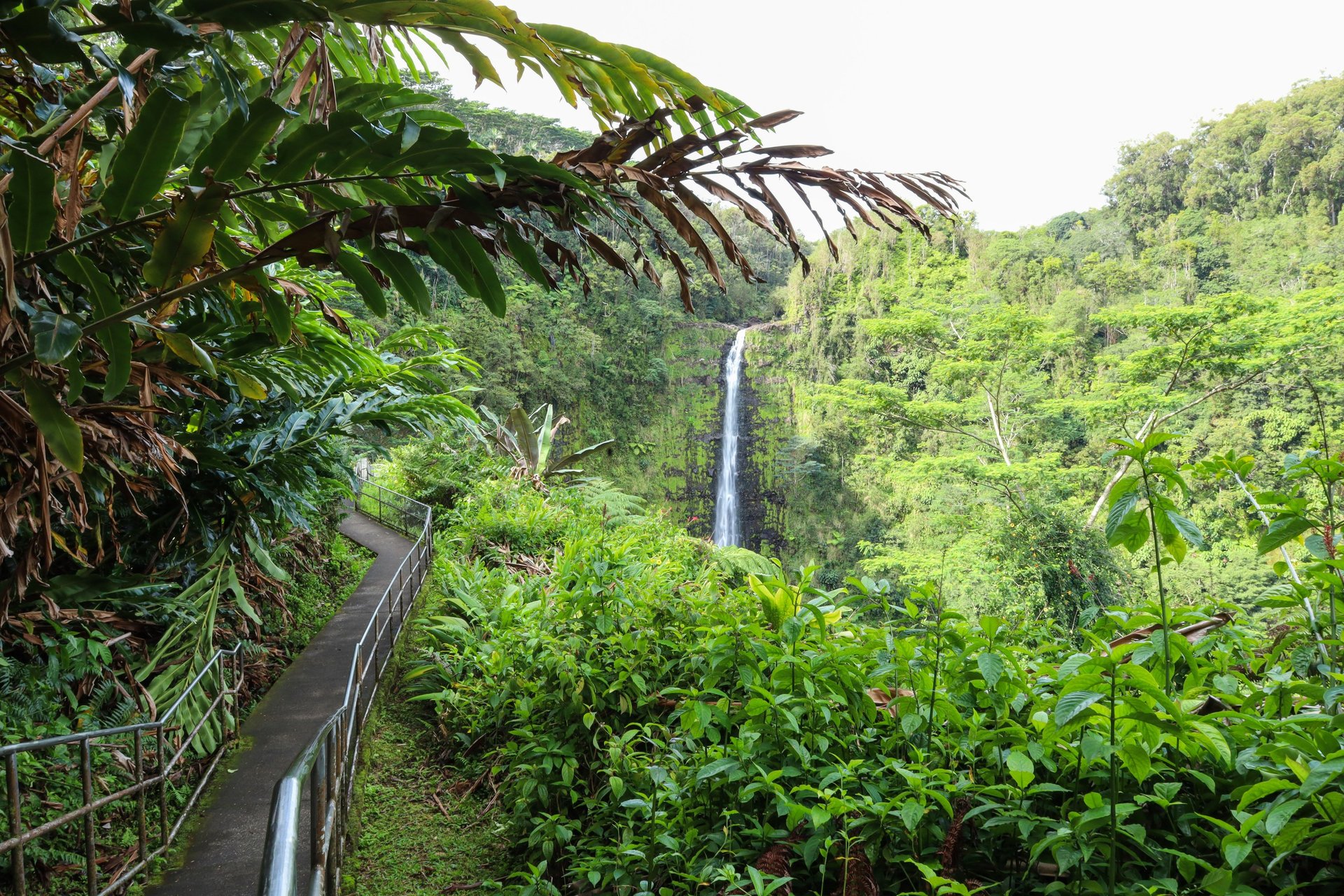
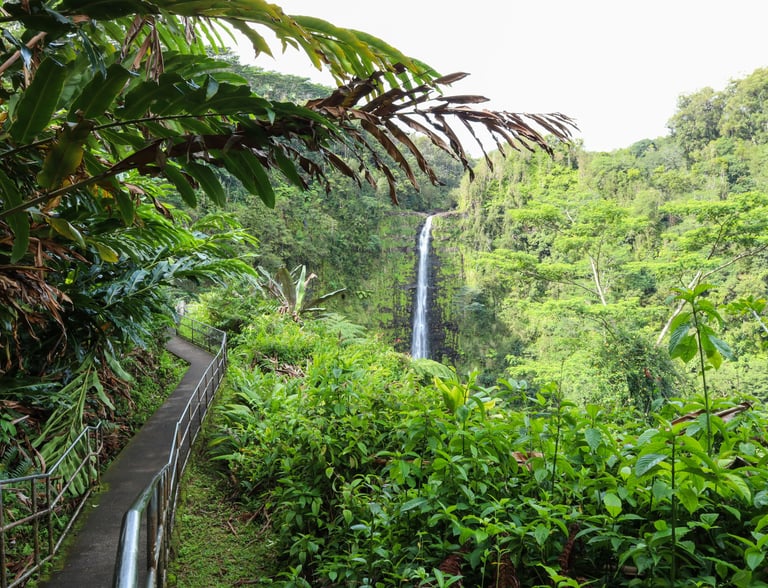
The Big Island of Hawaii earned its name because, true to the title, it is the biggest of all the Hawaiian Islands. The Big Island of Hawaii is more diverse in terms of landscape, and offers a different perspective of Hawaii that the other islands do not. The Big Island sees fewer tourists than the other Hawaiian Islands, which makes for a peaceful and easygoing vacation experience.
The Big Island is actually one of my favorite Hawaiian Islands. My second trip to Hawaii took me there, and it was everything I had imagined for the perfect tropical getaway.
Since the Big Island is big, there are different parts to explore but I’ll just focus on some of the major regions: North (Kohala), West (Kona), East (Hilo), Northern Central (Salle Road Region), Southeast (Volcanoes), and South (South Kau Region). Whew, that is a lot, right?! Haha. So, it’s important to plan your trip accordingly so that you’re not driving back and forth because the driving hours add up and instead of a fun-filled trip, it can turn into a very tiring and exhausting trip.
Below I list the things to do by regions.
Kohala Region (North)
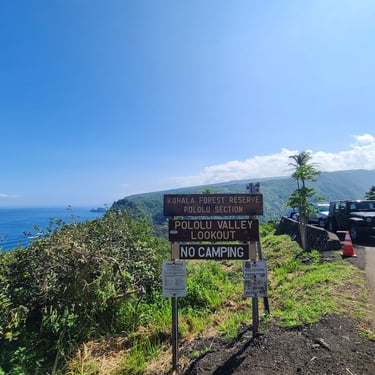
Pololu Valley Lookout
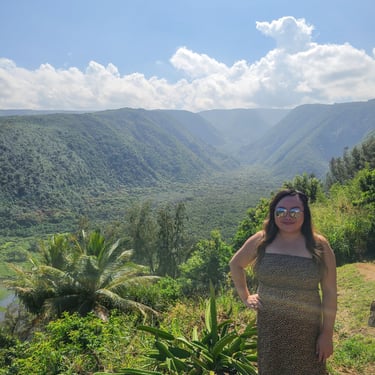
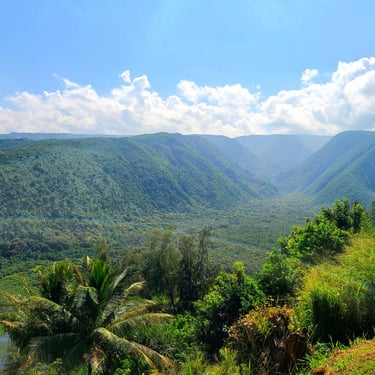
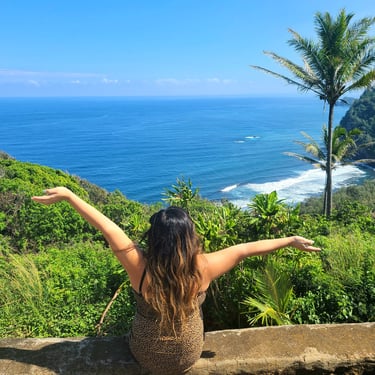
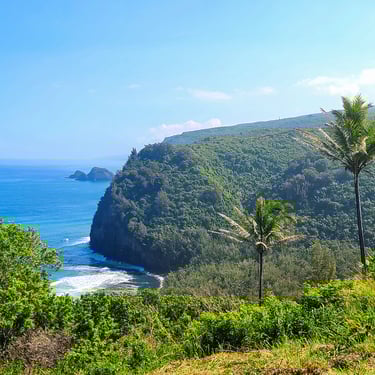
Pololu Valley Lookout provides an incredible view of the Pololu Valley’s steep cliffs and northeastern coastline. There is a black sand beach down in the valley, which you can get to by hiking down to the valley. There are usually strong currents so swimming here is strongly discouraged.
If you choose to hike to the valley floor, it is very steep but on the bright side, it’s a short hike. We didn’t hike it but supposedly it takes about half hour. It can be difficult during or after recent rain.
Tips:
There is only a small parking lot, so get there early to get parking!
If visiting during winter, you might be able to spot whales!
Great spot for sunrise!
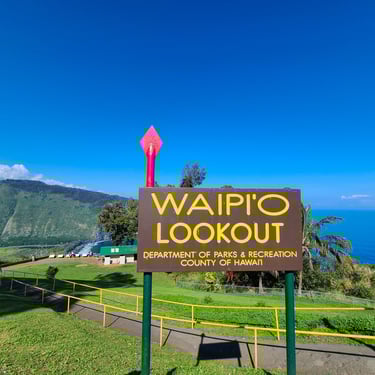
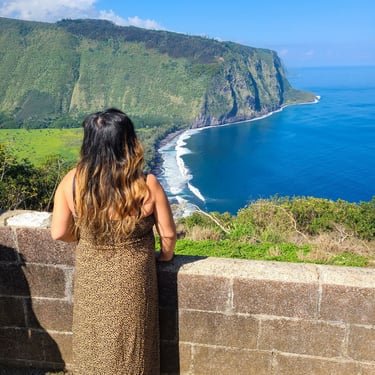
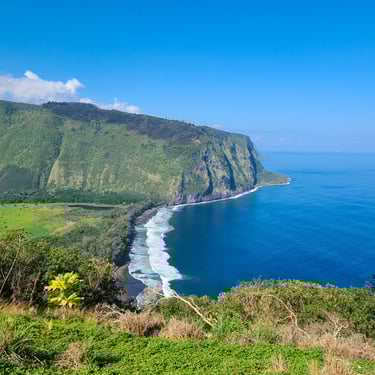
Waipi’o Valley Overlook
The Waipi’o Valley Overlook offers stunning panoramic views of the island’s northeastern tip. If you go down the valley, it is even more spectacular. They say that you’ll see the remarkable black sand beach, waterfall(s), taro patches, etc.
The Waipi’o Valley Overlook has a parking lot, bathrooms, picnic area, along with historical information for those interested. The parking lot does get filled quickly but it is a quick stop so finding parking shouldn’t be an issue.
Note:
Part of the Waipi’o Valley Road is closed since September 2022, and are only open to residents, permitted tour operators, and those seeking to practice their native traditions. If you are a visitor and desire to get to the valley floor, your only option is with a tour. So far there is only a shuttle service that takes you there and back. Click HERE to book the shuttle.
Kauna'oa Beach (also referred to as Mauna Kea Beach)
Kauna’oa Beach, or Mauna Kea Beach, on the Big Island is considered one of the best beaches, and for good reason. It is a picture-perfect beach that offers beautiful white sand and clear turquoise waters.
Although Kauna’oa Beach is a public beach, it is located within the Mauna Kea Beach Resort. This means you will have to ask the gate attendant for entry (they will give you a public parking pass). This also means there is a parking fee (around $20) for visitors who are non-residents of Hawaii (it’s free if you are a hotel guest). Parking is limited, so arrive early! Once you park, it’s just a short walk to the beach.
In the evening, there is an evening manta ray show. This is where they turn on floodlights over the waters, which attracts plankton, and this is the primary food source for manta rays. There are a few options to view the manta rays feeding: viewing platform or up-close experience.
Viewing Platform: Manta Ray Point observation deck, which is located near Manta Restaurant at the Mauna Kea Beach Resort.
Up-close Experience: There are tours that take you manta ray night snorkeling, manta ray night diving (only for certified divers), and bottomless boat tours.
Tip: there is a live cam you can view. It’s good to check crowds before going. Click HERE to view live cam of Kauna’oa Beach.
Kona Side (West)
Pu'uhonua o Honaunau National Historical Park
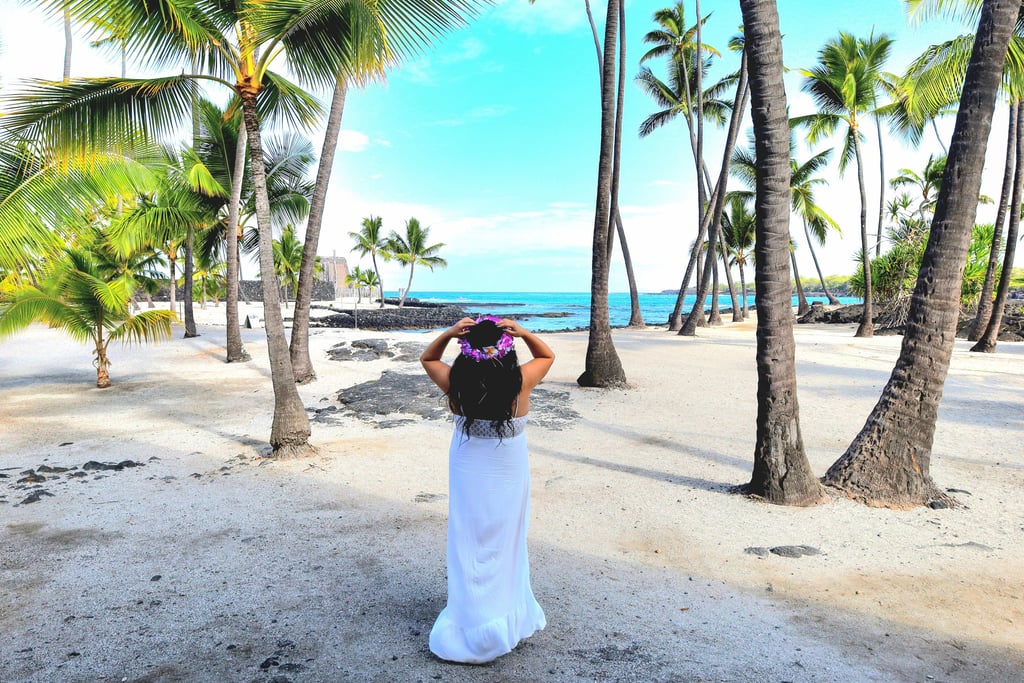
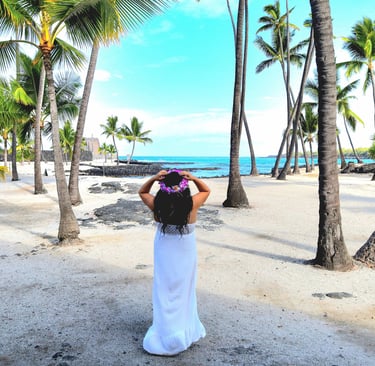
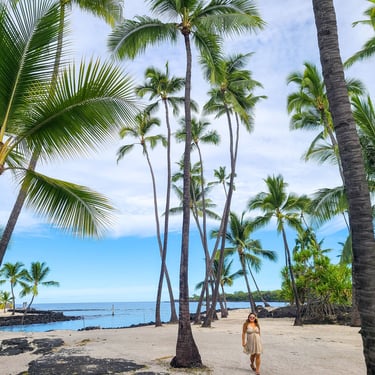
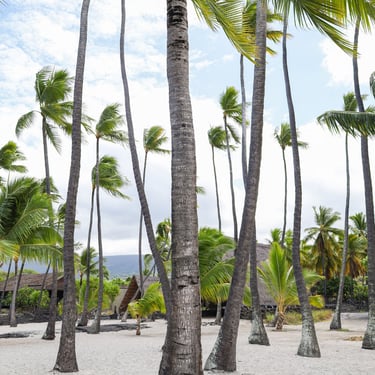
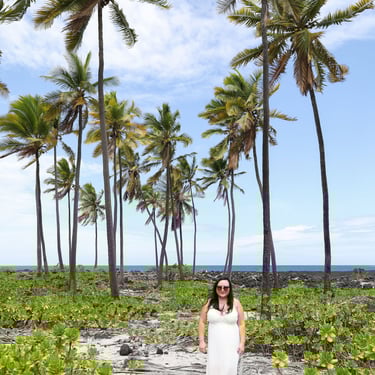
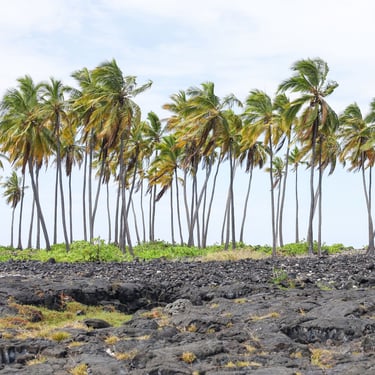
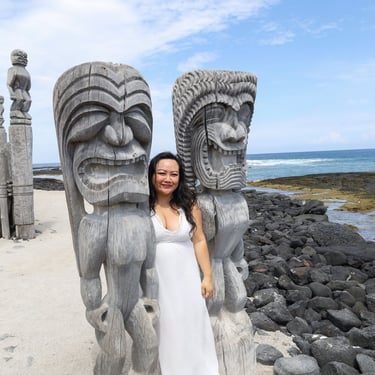
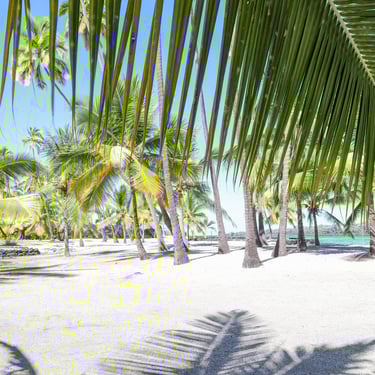
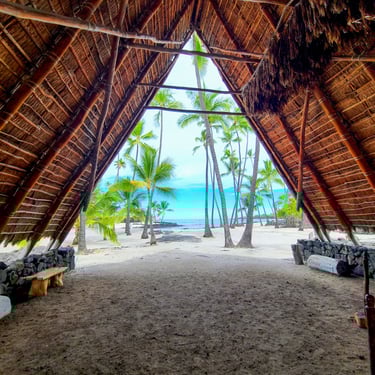
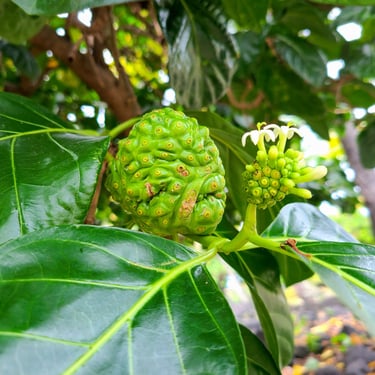
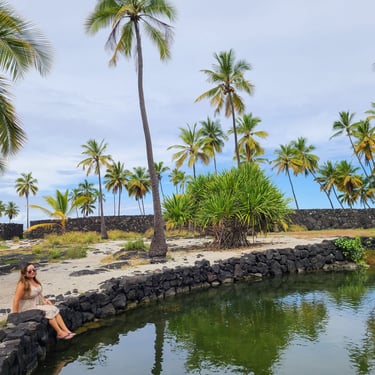
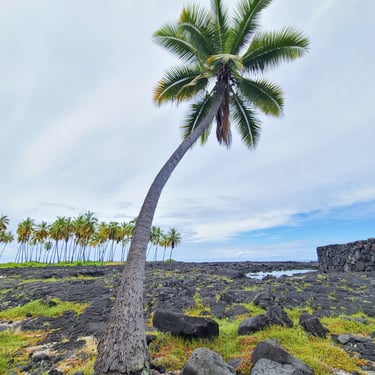
One of the best places to explore on the Kona side is the Pu'uhonua o Honaunau National Historical Park. It is a paradise, with the swaying palms everywhere! It is my perfect imagination of paradise on earth. This place was a place of refuge in the past. It was where people who have broken sacred laws come to seek refuge and forgiveness. Now it is a historic site.
There are so much to see and do here actually, from exploring cultural sites to fishing, snorkeling (right outside the park), picnicking, hiking, etc. However, the terrain here is a combination of crushed coral sand and lava rock, so it’s not the easiest and definitely not ADA friendly.
Within the park are multiple cultural sites for exploring. The park is divided into two areas by the great wall: Royal Grounds and Pu’uhonua. You can also listen to the Audio Tour on the Official NPS App.
They sometimes will have cultural demonstrations, although we’ve been a few times and haven’t been lucky enough to see any.
Fishing the shoreline is an option, and a fishing license is unnecessary! How cool is this?! Well, as long as you don’t sell your catch! However, there are regulations. So, I recommend looking this up if you plan to do some fishing in the park!
Tips:
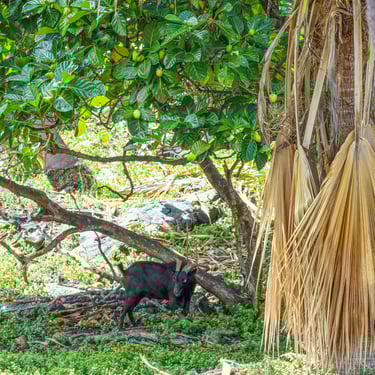
If you’re lucky, you’ll see goats grazing.
It gets really hot so make sure to visit early to avoid the extreme heat, and the crowds too!
Bring plenty of water!
There are clean bathrooms on site.
Cost:
$20 per vehicle, or $10 per person (if you enter without a car).
FREE if you have the America the Beautiful National Park Pass. I always go for this pass because you can also visit other national parks, and for $80, that’s an amazing deal!
If you plan to visit this park multiple times, you can purchase the park’s Annual Pass for $35.
They DO NOT take cash.
More info about their fees HERE.
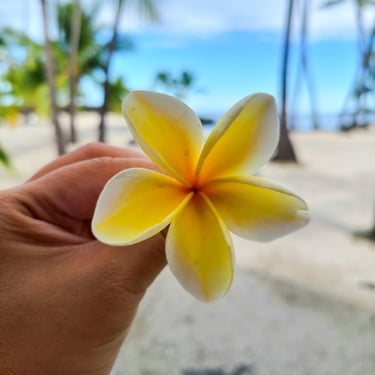
Makāula 'O'oma Trail
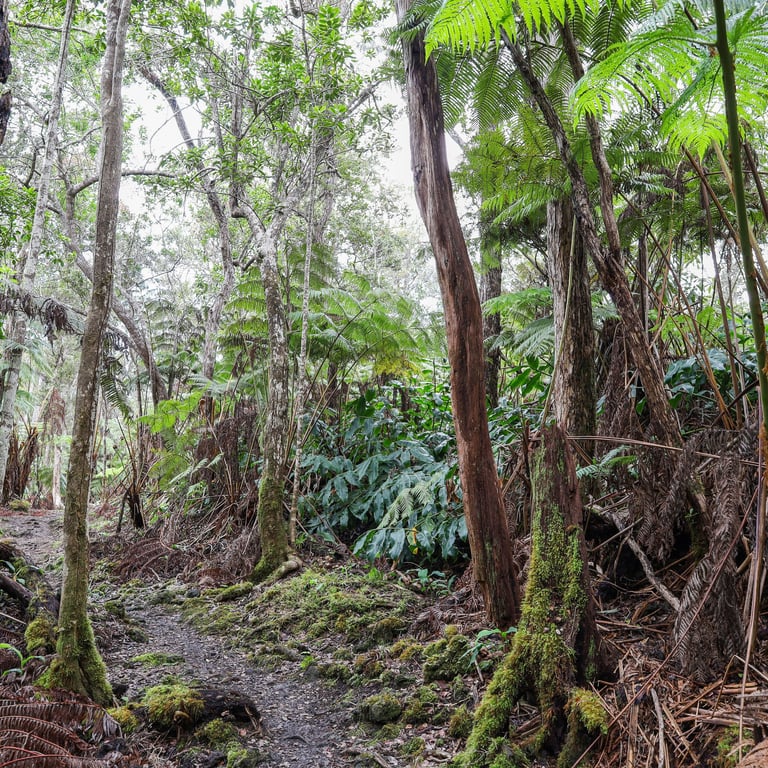
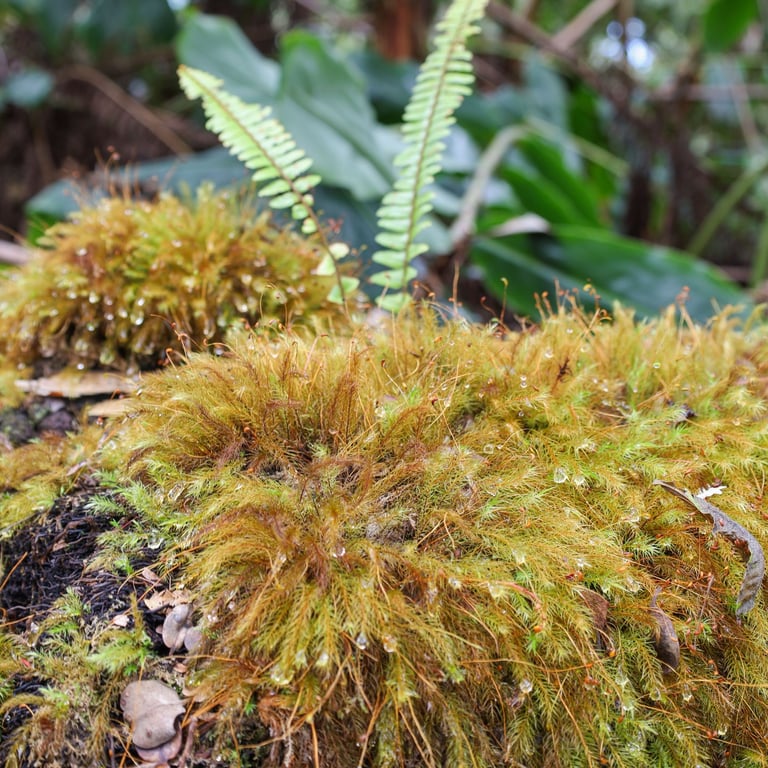
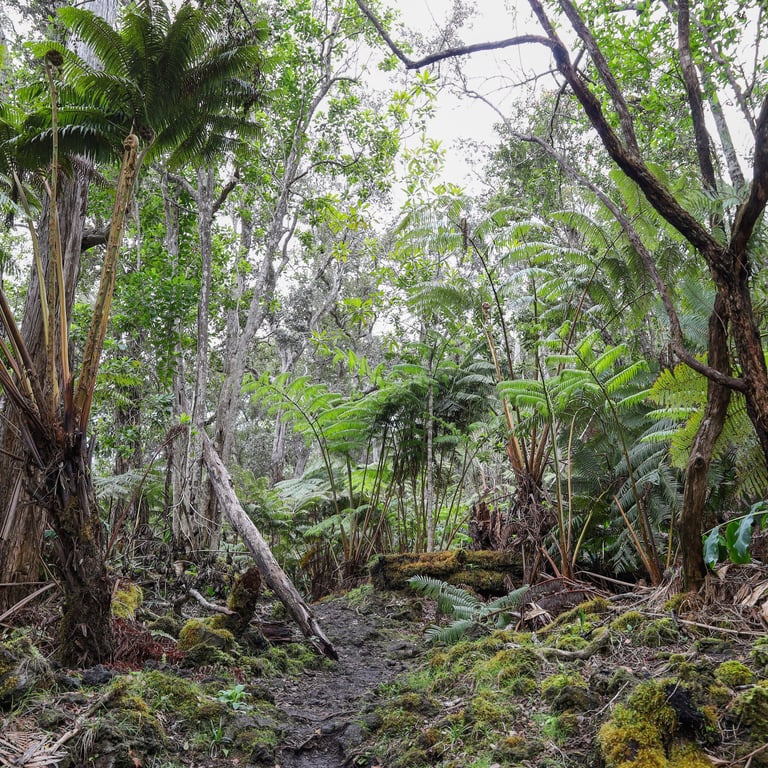
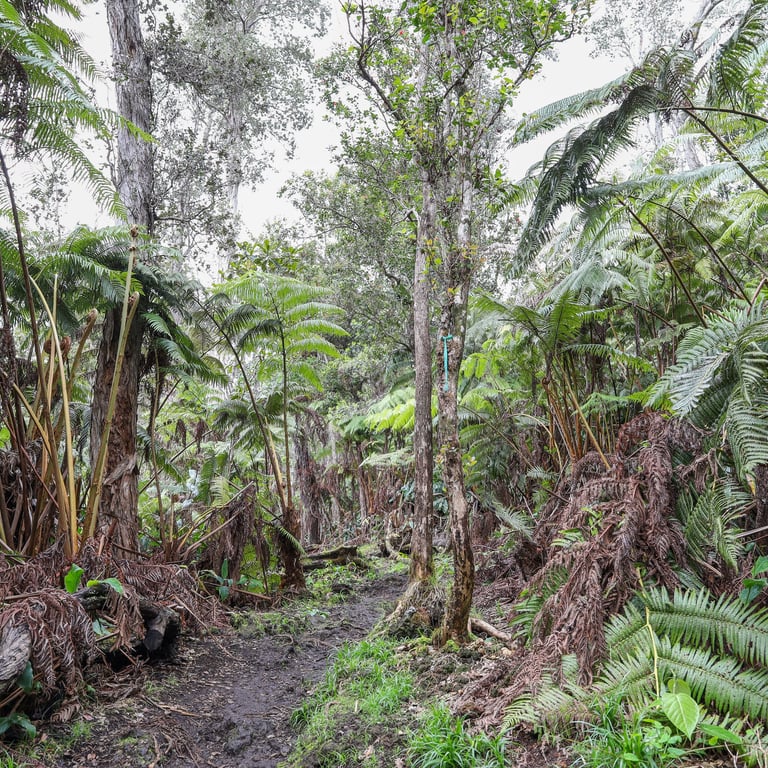
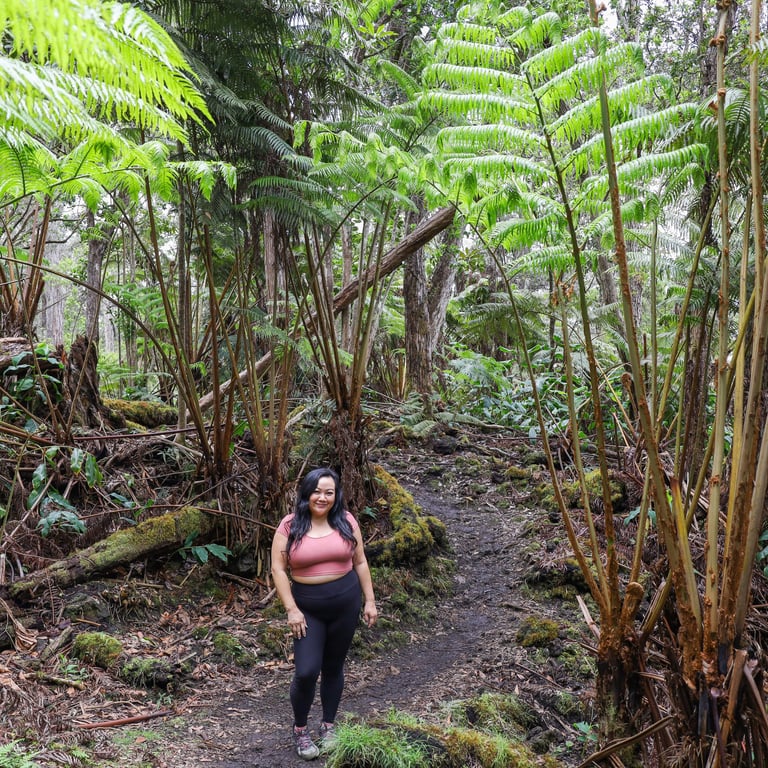
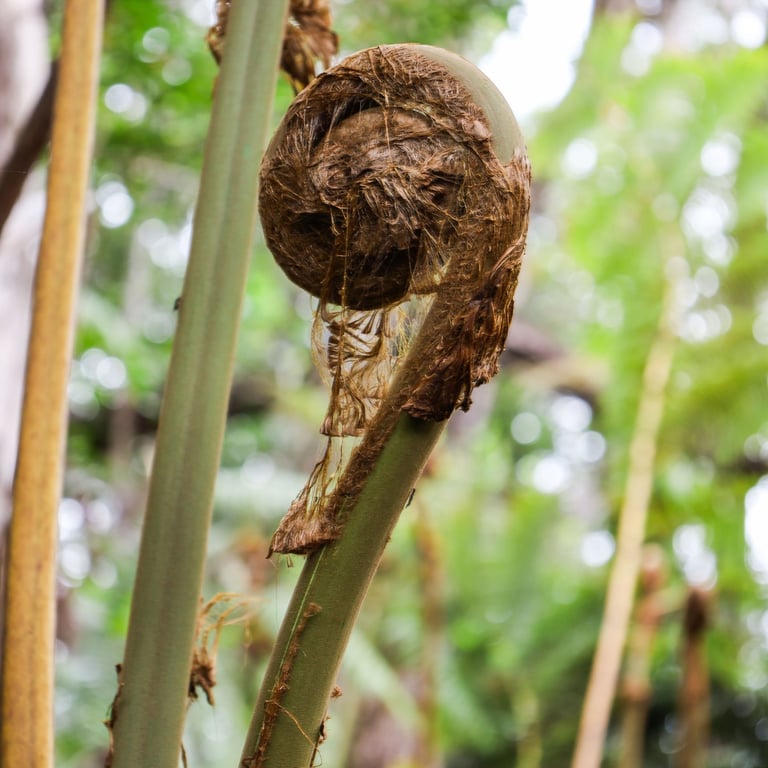
The MaKaula Ooma trail is located on the northwest of Kona and within the Honouala Forest Reserve. This trail, also called the Jurassic Trail, takes you through a lush and tree fern jungle, truly representative of the movie Jurassic Park (at least I think so haha). Every turn is full of more vegetation, fern, and jungle. It was a pretty shaded hike, but it was humid! This is also a great hike for birding as we were surrounded by birds chirping all morning! If you’re into jungle and lushness, or even birds, I highly recommend this hike!
This trail is a loop trail, so you can start in any direction. We did counter-clockwise and it was fine.
To do this trail, park at the trailhead at Makahi Street. Please note that it can be muddy and slippery during / after recent rain.
Distance: 3.8 miles
Duration: 2-3 hours depending on your pace and stops.
Bathrooms at trailhead: none
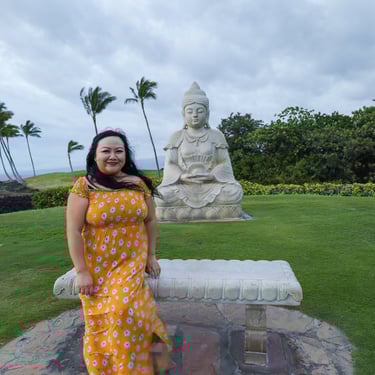
Buddha Statue – Hilton Waikoloa Village
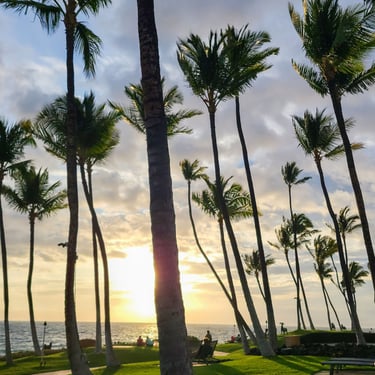
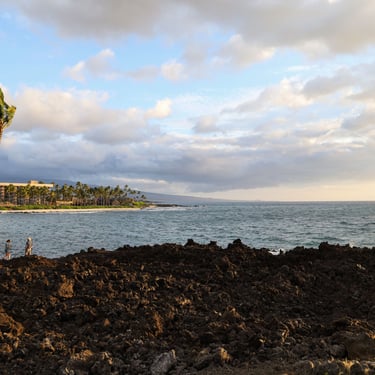
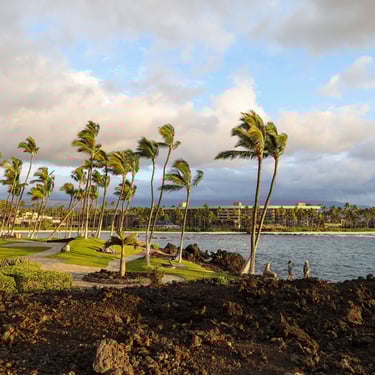
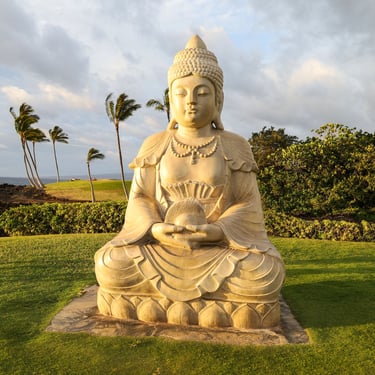
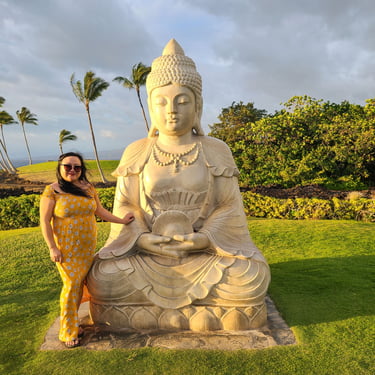
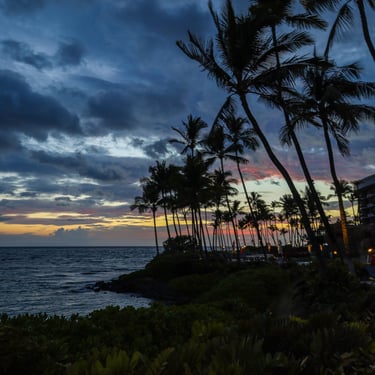
The great Buddha Statue is located at the Hilton Waikoloa Village. It is such a wonderful place to sit, relax, and enjoy the panoramic views of the ocean and ocean breeze. It gets quite windy here at all times, so be prepared. It is also a great place to watch the sunrise / sunset.
Note: if you go in the winter months, you can possibly see the humpback whales from here. If you plan to do this, take binoculars for a closer look!
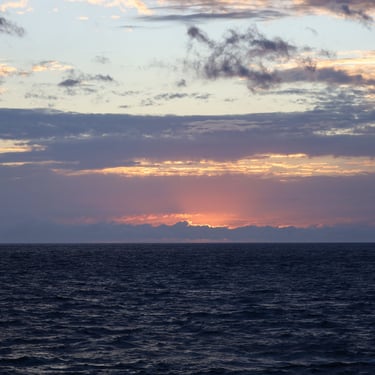
We went for sunset and it was beautiful, although the sunset wasn’t epic. It was also crowded so be prepared to wait for people to get off of the Buddha Statue for pictures, haha.
I remember getting here was a pain, because it’s so far from the lobby, and you have to wait and take a shuttle. It was inconvenient, but the grounds are beautiful.
Kona Farmers Market
Visiting Hawaii, or Big Island, isn’t complete without a visit to the Farmers Market! The farmers markets have a variety of things, including souvenirs, arts and crafts, coffee, flowers, food and drinks, and exotic fruits and vegetables.
There are a number of farmers markets in Kona actually, opening on different days with different hour. Therefore, it’s important to check the days/business hours before going. I’ve listed a few of the main ones.
Keauhou Farmers Market
(located at the Keauhou Shopping Center)
Open: Saturdays from 8am-Noon
Kona Farmers Market
(located across from Hale Halawai, on the corner of Alii Drive & Hualalai Rd)
Open: Wednesdays - Sundays, 7am-4pm
Ho’oulu Community Farmers Market
(located at the Outrigger Kona Resort)
Wednesdays and Fridays 9am-2pm
Enjoy Kona Coffee
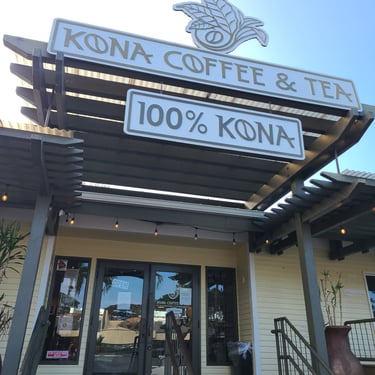
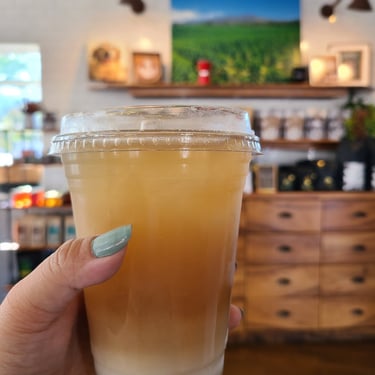
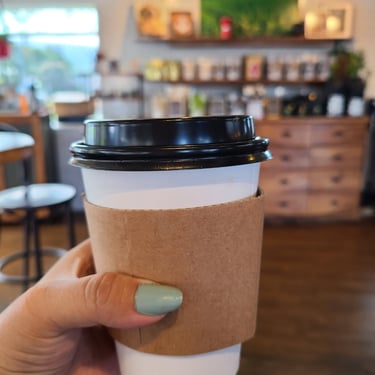
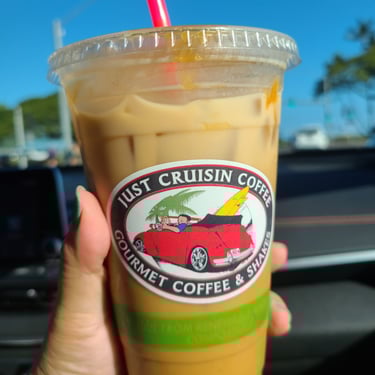
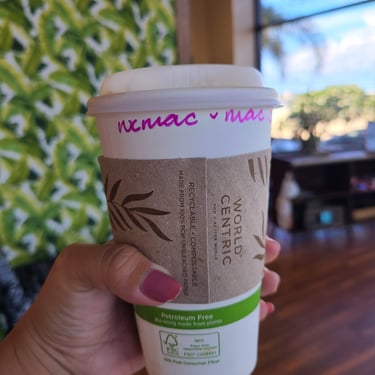
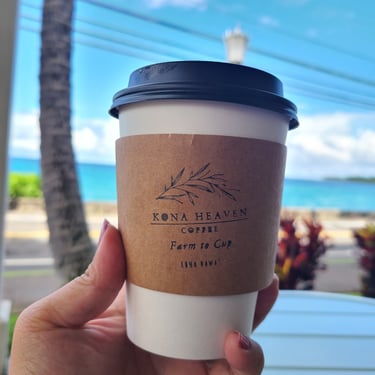
A must-do while on the Big Island of Hawaii, especially Kona, is to indulge in some Kona coffee! Better yet, try it with macadamia nut milk! It will be one of the best cups of coffee you ever have!
So, what’s so special about Kona coffee? Well, regular coffee is typically grown at higher elevations. Kona coffee, on the other hand, is grown at a lower altitude and specifically on the slopes of Mauna Loa and Hualalai volcanes, located on the Big Island. Kona coffee is medium in body, and tastes smooth and a tad nutty.
Give it a try; I promise you won’t regret it!
I’ve tried it from a few places in both Kona and Hilo, but my favorite place is Kona Mountain Coffee located in Kona.
Here’s their info:
Kona Mountain Coffee
73-4038 Hulikoa Dr Ste 5
Kailua-Kona, HI 96740
Hours: Mon-Fri, 7am-5pm; Sat-Sun, 8am-3pm
Maka'eo Walking Path
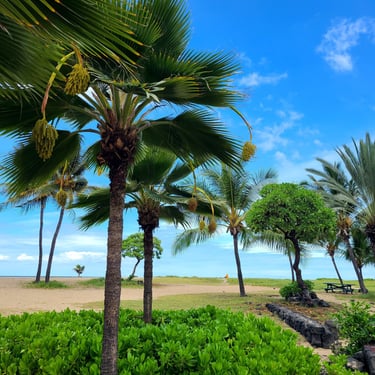
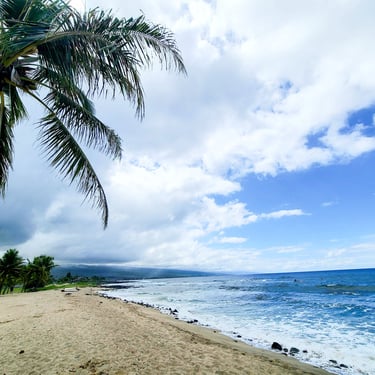
Maka’eo Walking Path is located near Kona Airport. In fact, it’s actually located within the Old Kona Airport Sate Recreation Area. In fact, what happened was, the old Kona Airport was built with a short runway and later wasn’t going to be able to support newer planes like the Boeing 707. Therefore, the new Kona Airport was built and the old airport was transformed into the Old Kona Airport State Recreation Area.
The Maka’eo Walking Path is a short, paved loop less than a mile long, winding through vibrant and beautiful Hawaiian vegetation. It’s a perfect spot for some quiet reflection in the early morning, when there are fewer people around.
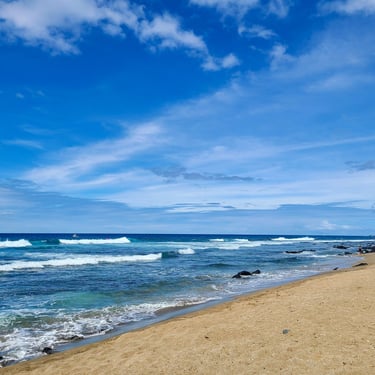
Even better, right across from the Maka’eo Walking Path is a long stretch of sandy beach with picnic tables. It’s a perfect spot to sit and enjoy the sunrise or sunset.
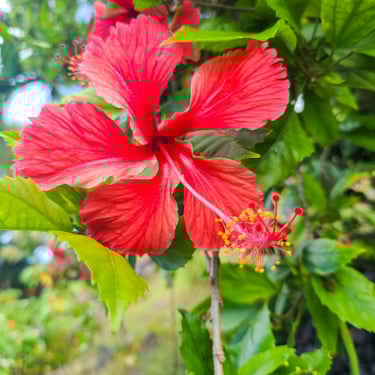
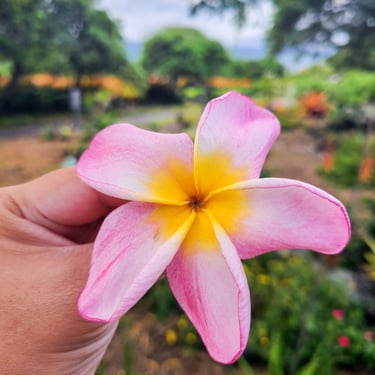
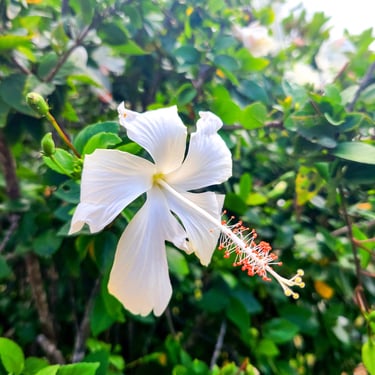
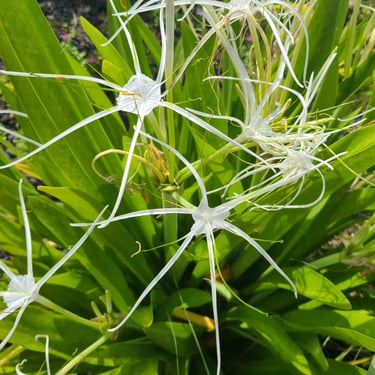
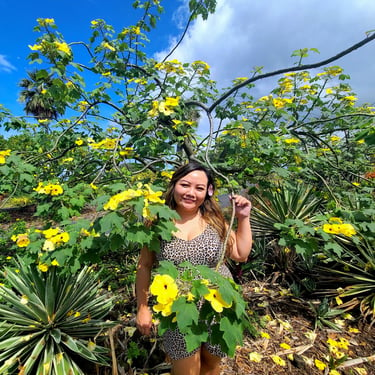
Note: don’t get too close to the plants; there could be bugs that could get on you, etc. I learned my lesson after I tangled myself around a flower tree. It wasn’t the brightest idea. I was wearing shorts, and I got some bumps on my thighs not too long after. I was afraid they were some parasitic skin infestations or something!! I was so scared, but it disappeared after a day or two, haha!
Makalawena Beach
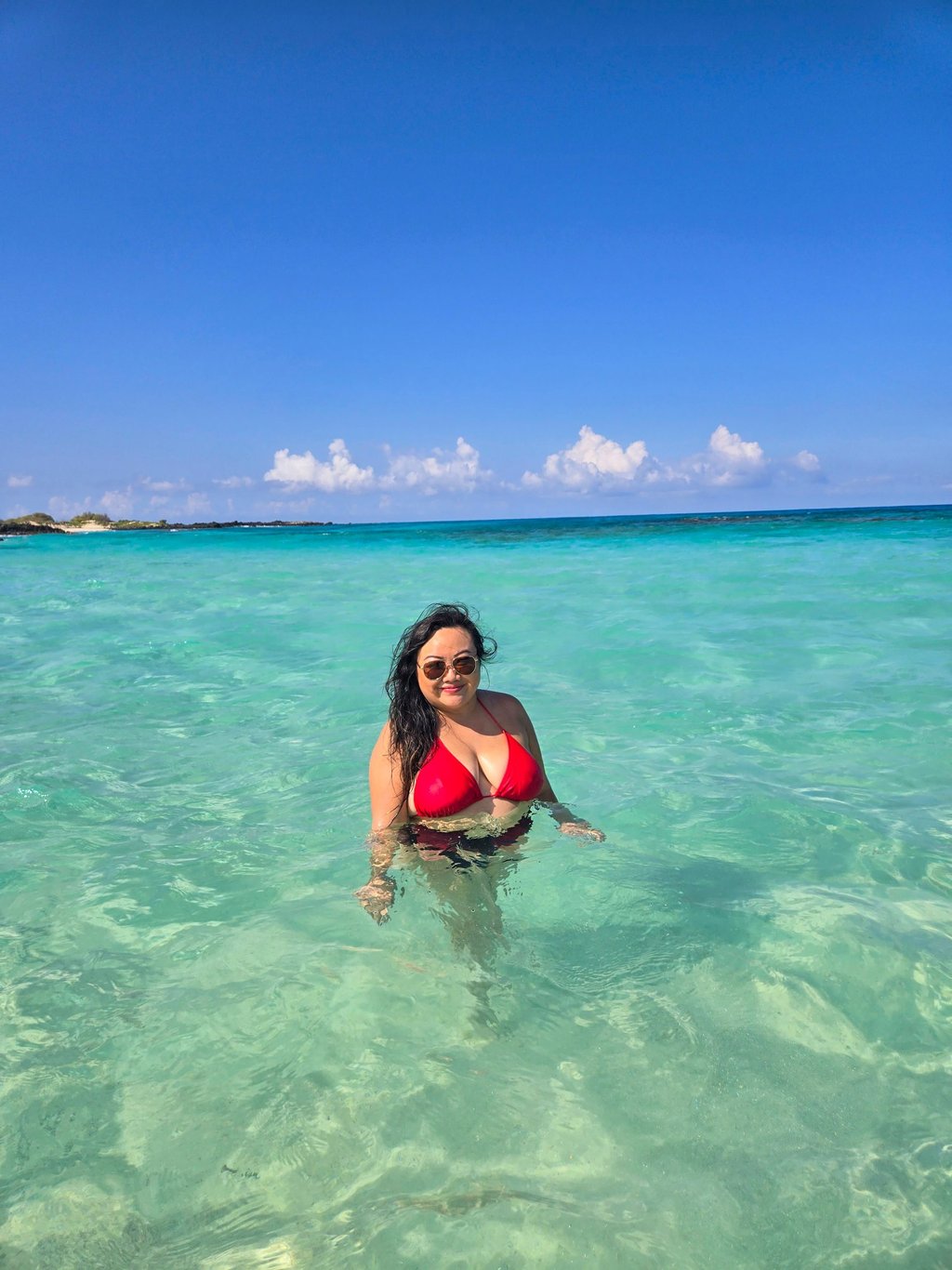
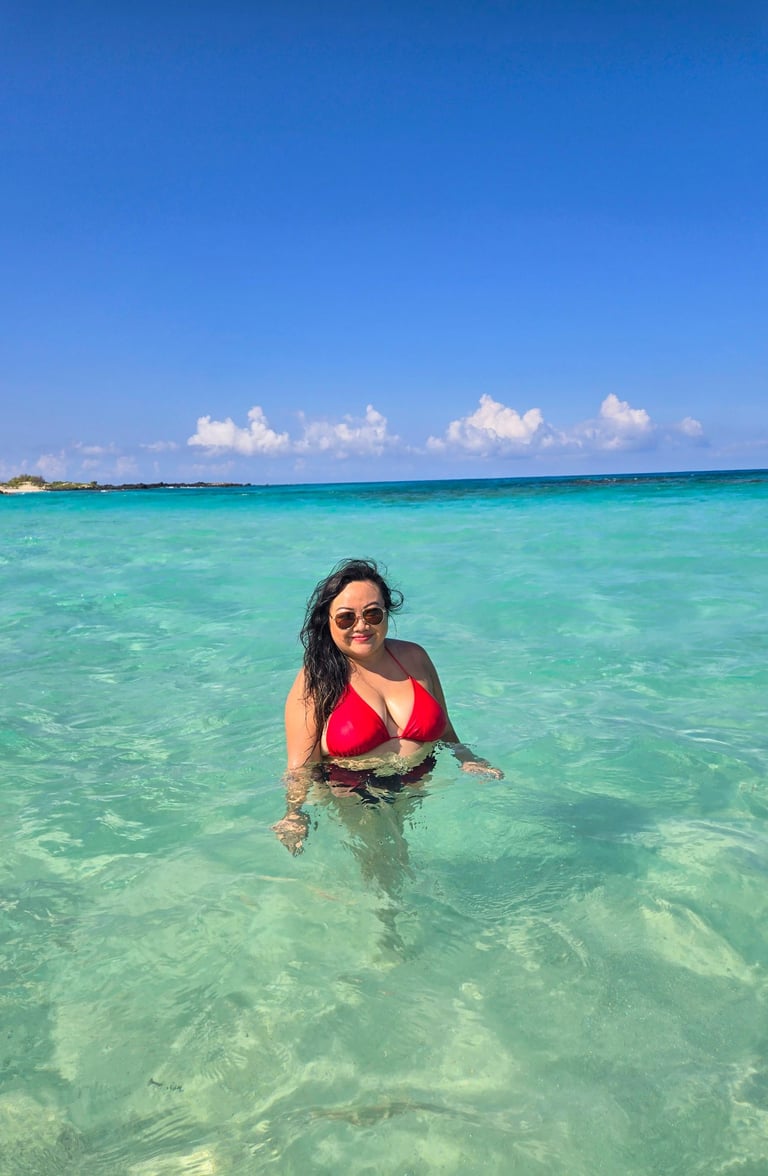
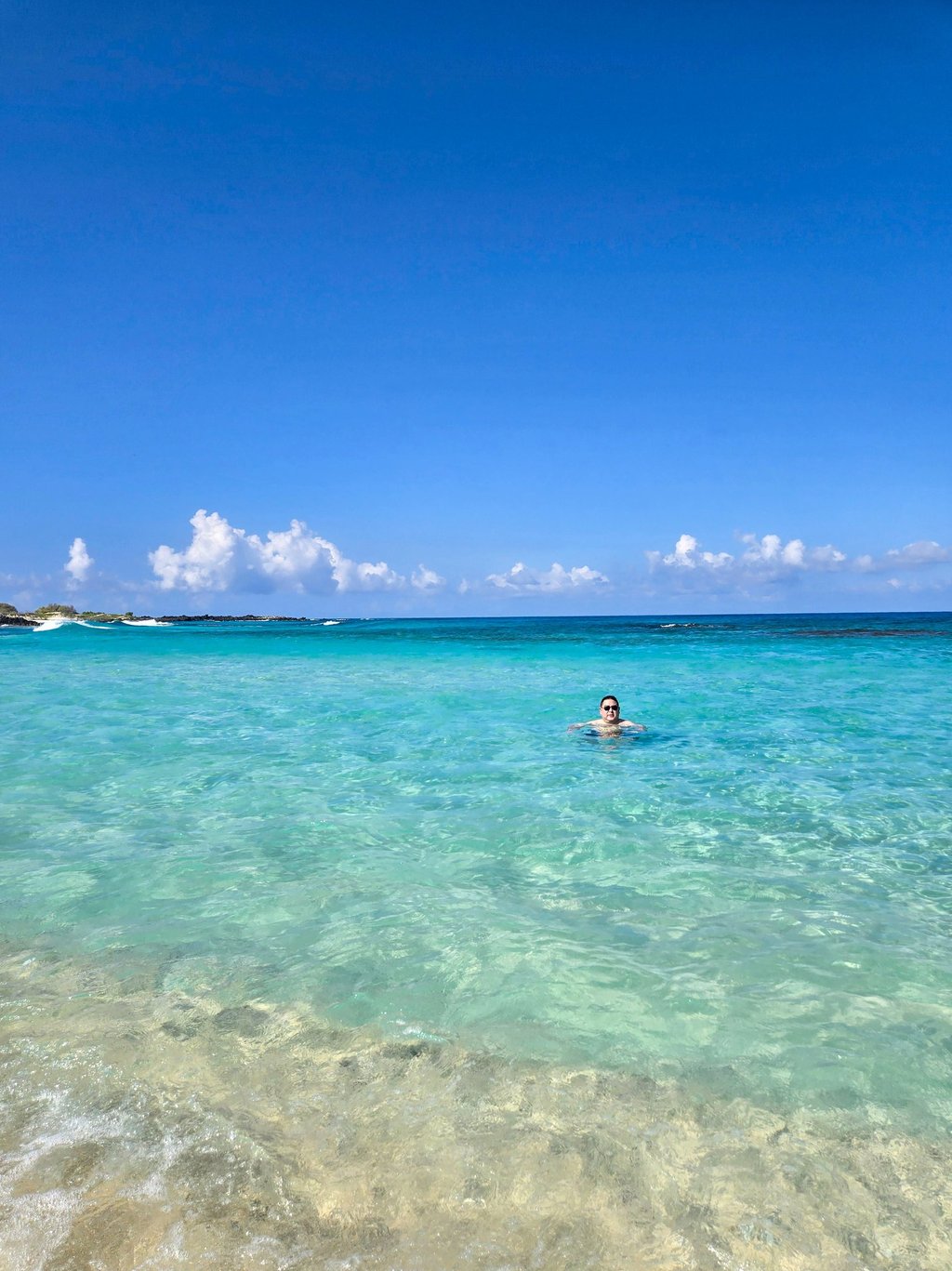
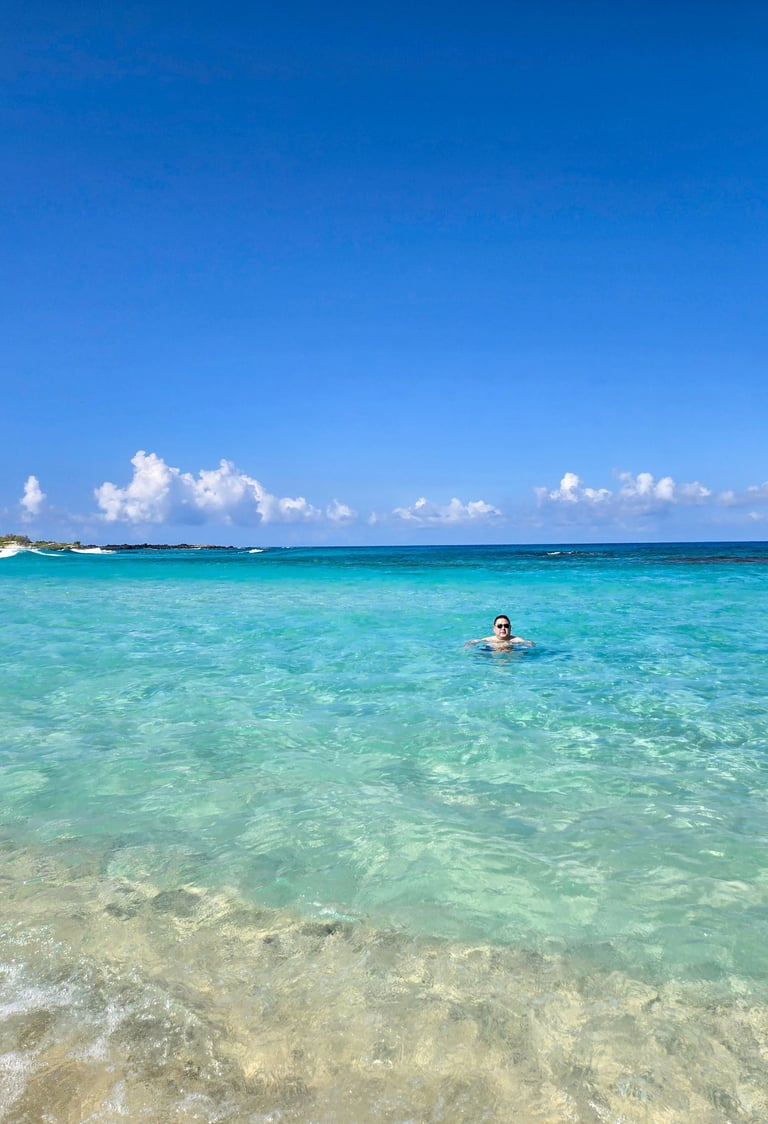
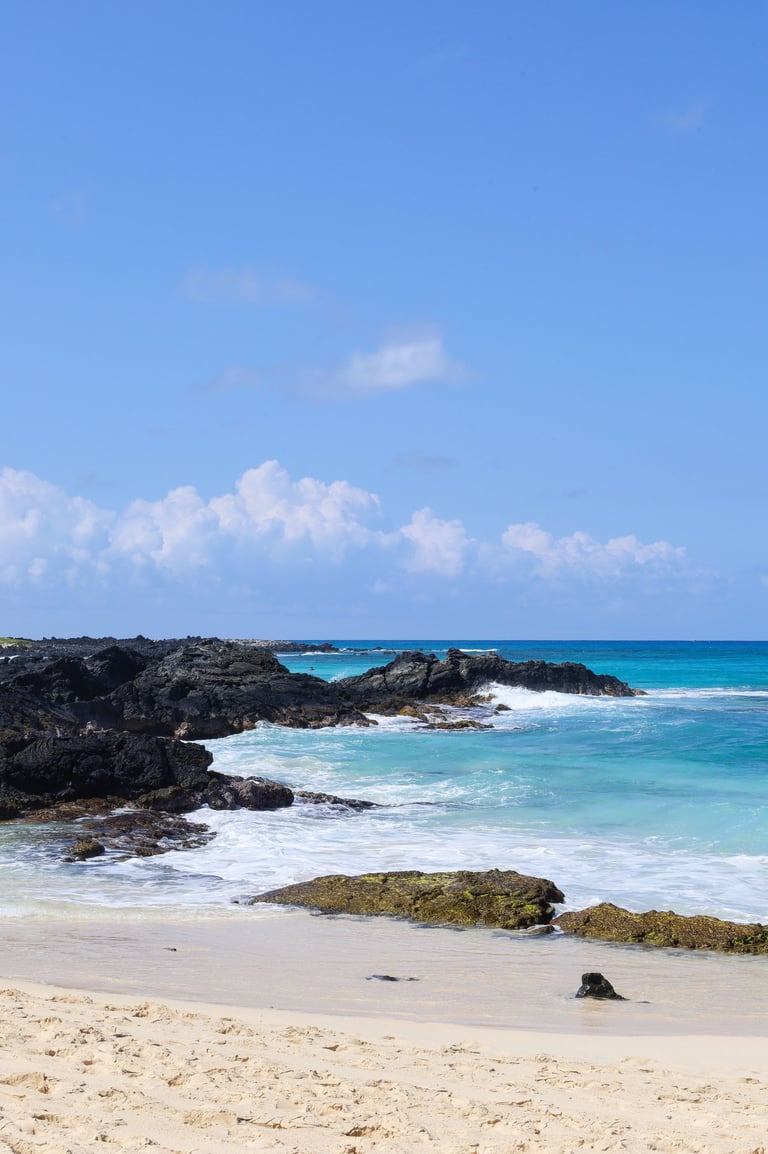
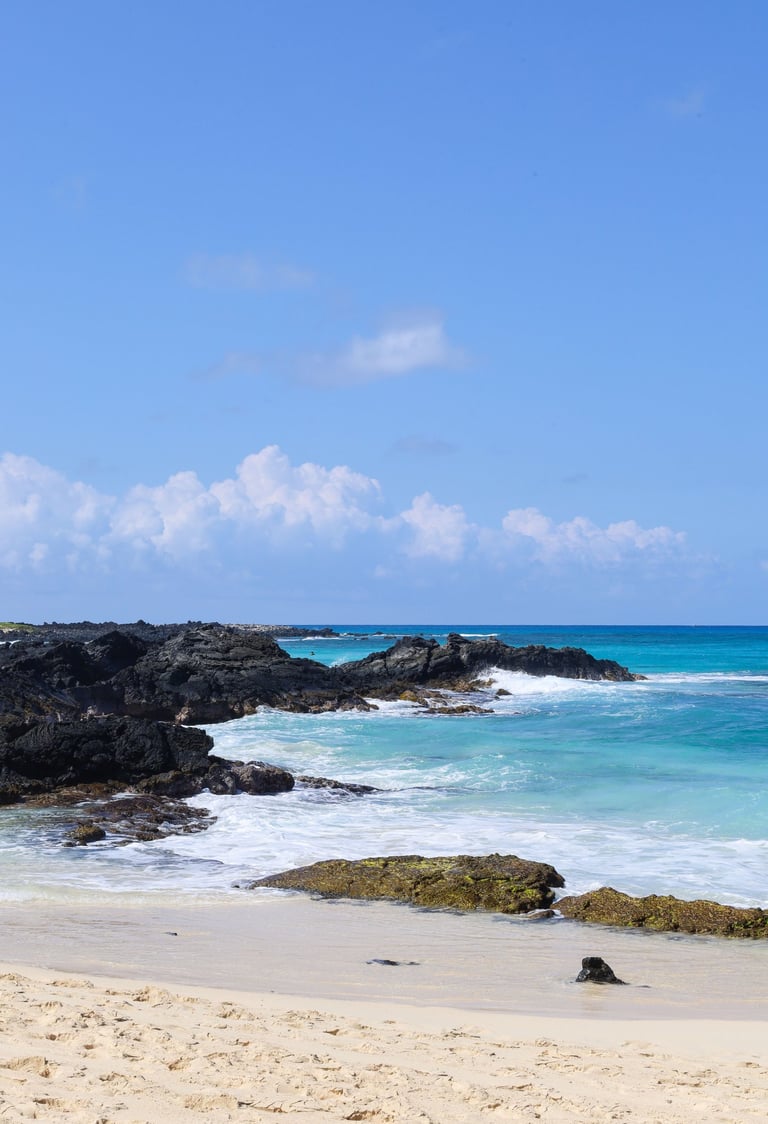
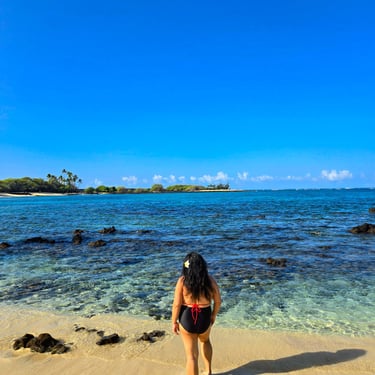
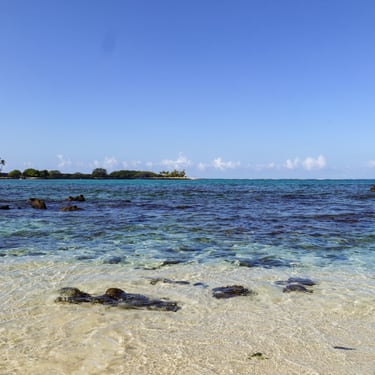
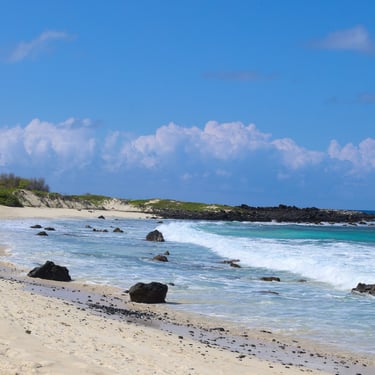
A true rarity on the Big Island, Makalewena Beach is the kind of place you picture when you dream of turquoise waters and powder-soft white sand. It’s breathtakingly beautiful, the kind of beach that makes you pause and wonder if you’re really on the Big Island or somewhere in the Bahamas.
Its beauty comes at a price though, as getting there isn’t exactly effortless.
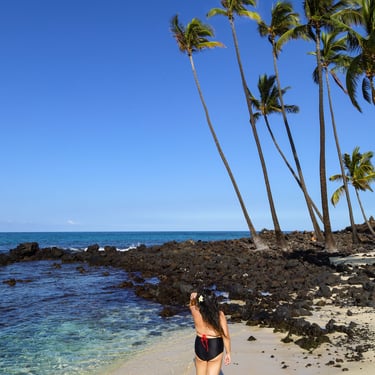
First, you’ll park inside Kekaha Kai State Park. While it’s technically possible to drive all the way to the lot with a four-wheel drive, we found the road too risky, even with a 4WD. Some sections were steep, uneven, and honestly a bit nerve-racking. We ended up parking about halfway between the highway and the main lot and hiking the rest.
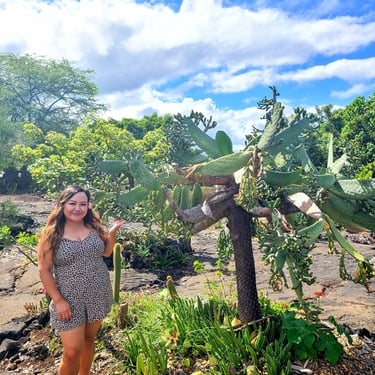
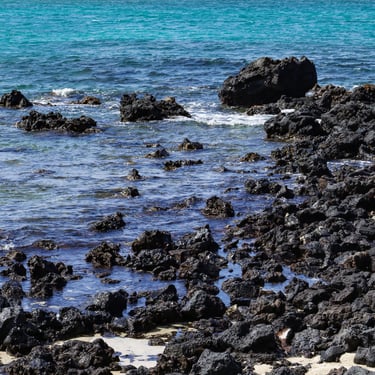
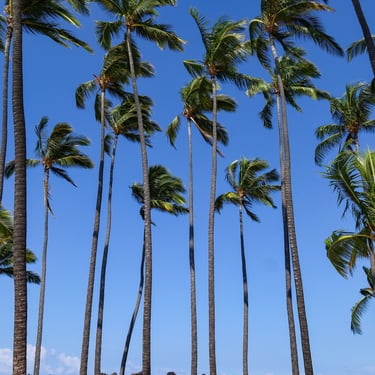
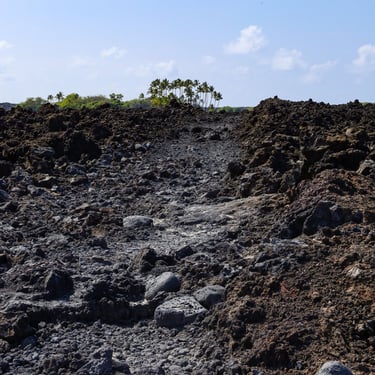
The hike wasn’t particularly strenuous, but it’s an adventure. The trail hugs a cliffside, winds past a beautiful beach lined with swaying palms, cuts across a sharp lava field (good footwear is strongly recommended, although I did it in my crocs slippers), and eventually leads through rolling sand dunes. The heat was intense and the sun unforgiving, but the steady island breeze helped balance it out. For me, the trail itself was manageable, it was the deep sand that proved the toughest part; sand hiking never gets easier for me.
When we finally reached the beach, it wasn’t as hidden or empty as we’d imagined. For a spot that requires some effort to access, it was moderately crowded.
That said, the beauty is undeniable. The water glows a vibrant turquoise against the white sand, creating a scene that feels almost tropical-dreamlike. During our January visit, we were treated to an unforgettable surprise: a pod of dolphins swimming and playing right off the beach. It was absolutely magical.
Hilo Side (East)
Liliu'okalani Garden
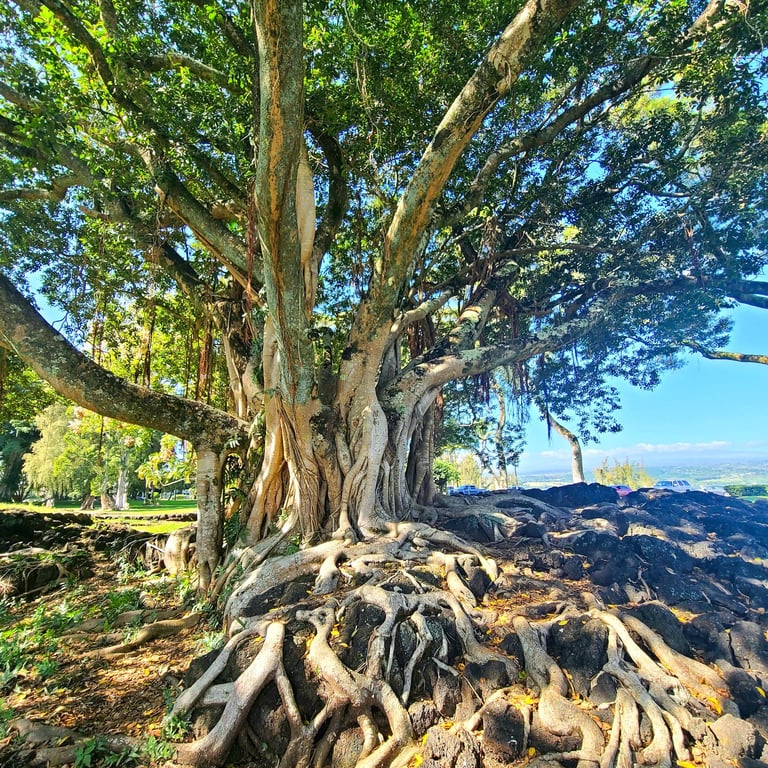
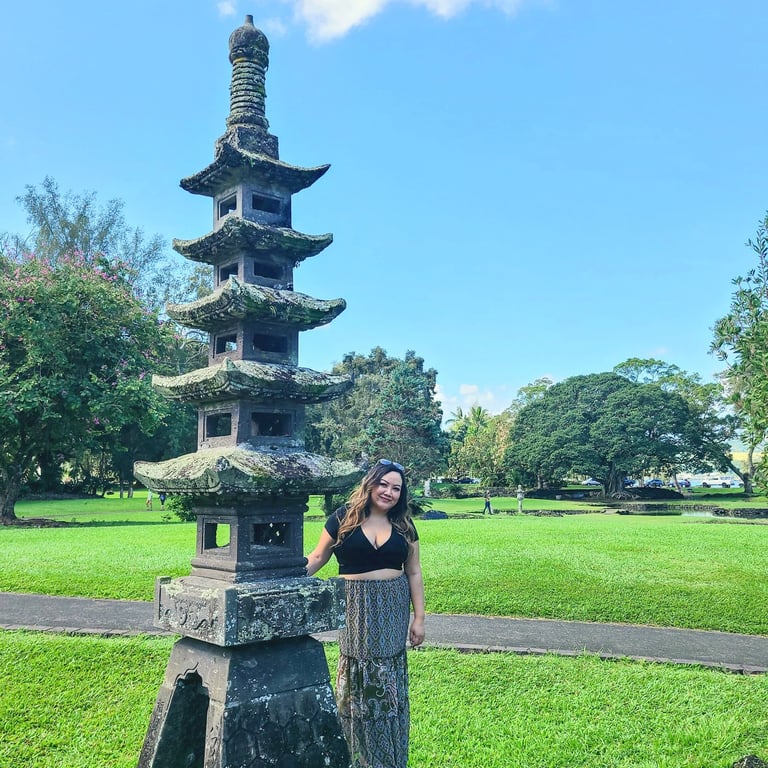
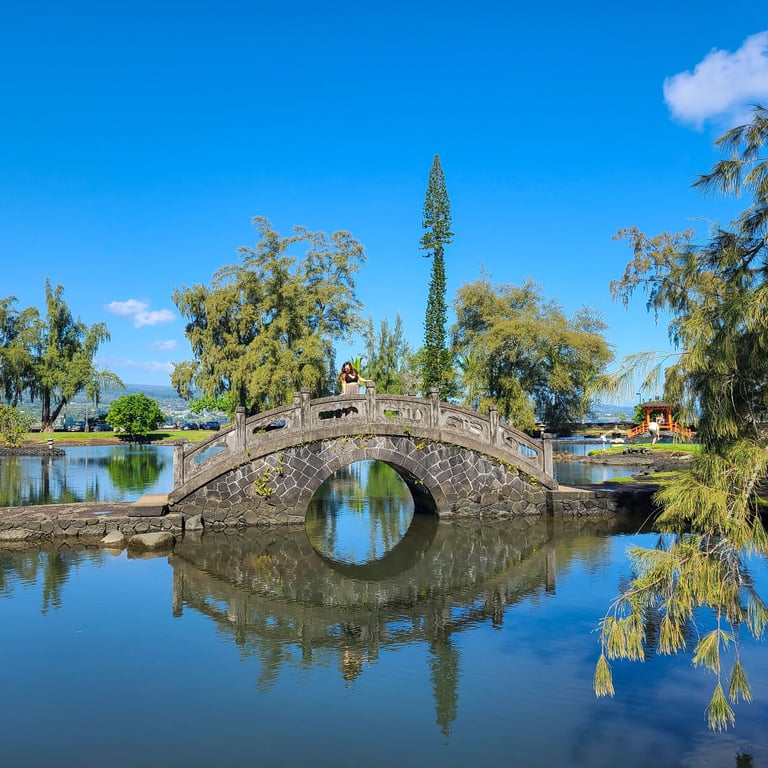
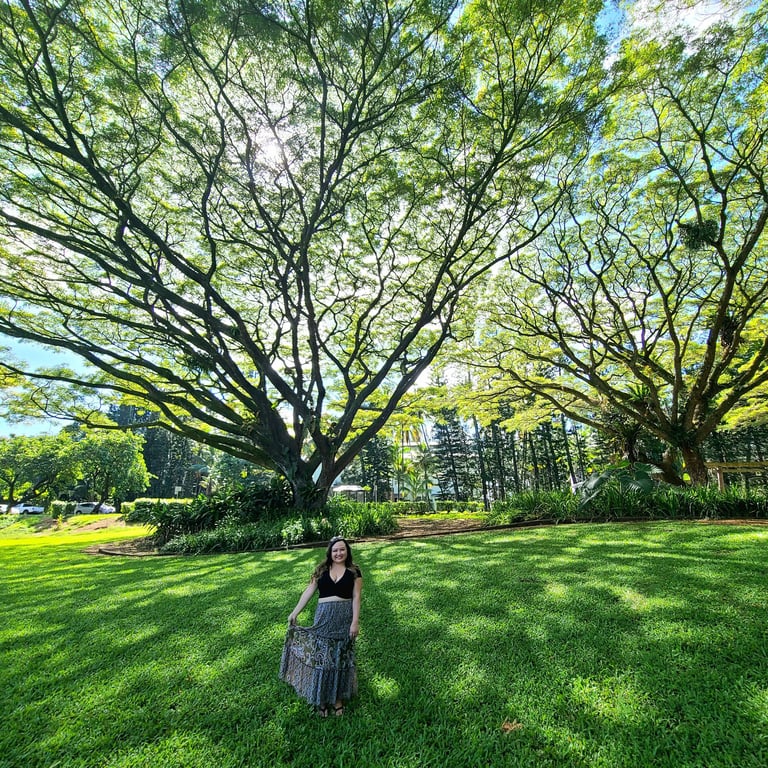
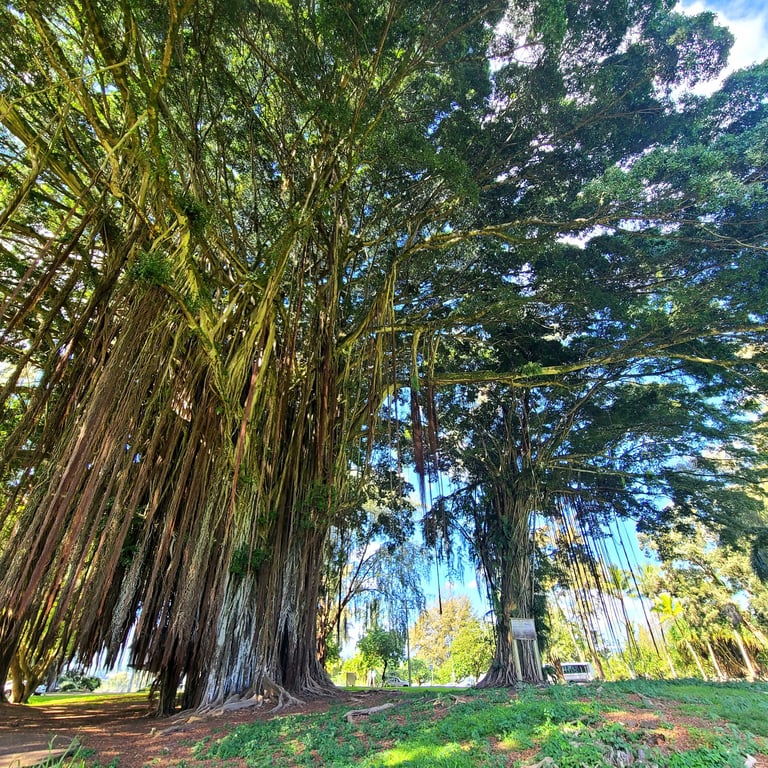
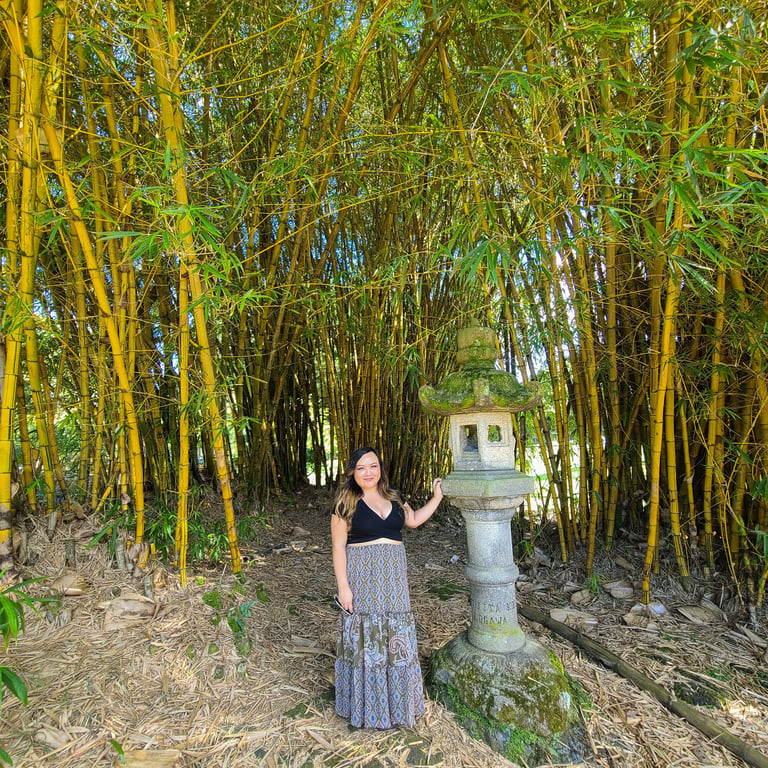
The Liliu’okalani Garden is a beautiful Japanese botanical garden with a variety of native Hawaiian plants and trees, arched bridges, fishponds, pagodas, Japanese stone lanterns, a teahouse, and gorgeous views all around. Liliu'okalani Garden was named after Queen Liliu'okalani who was Hawaii’s last reigning monarch. The garden is located on Banyan Drive in downtown Hilo. There are multiple walking paths, so Liliu’okalani Garden a great place for a lovely stroll if you’re in the area.
Here, you can see views of Hilo Bay and Coconut Island (also known as Mokuola). Even better, there is a bridge that you can take to get to Coconut Island. Once you get there, there are picnic tables to relax and enjoy the wonderful weather and views!
Admission: FREE!
Bathrooms: yes
Tip: Grab lunch at Suisan Market (right across the street). They have one of the BEST pokes that I’ve ever had!
Akaka Falls State Park
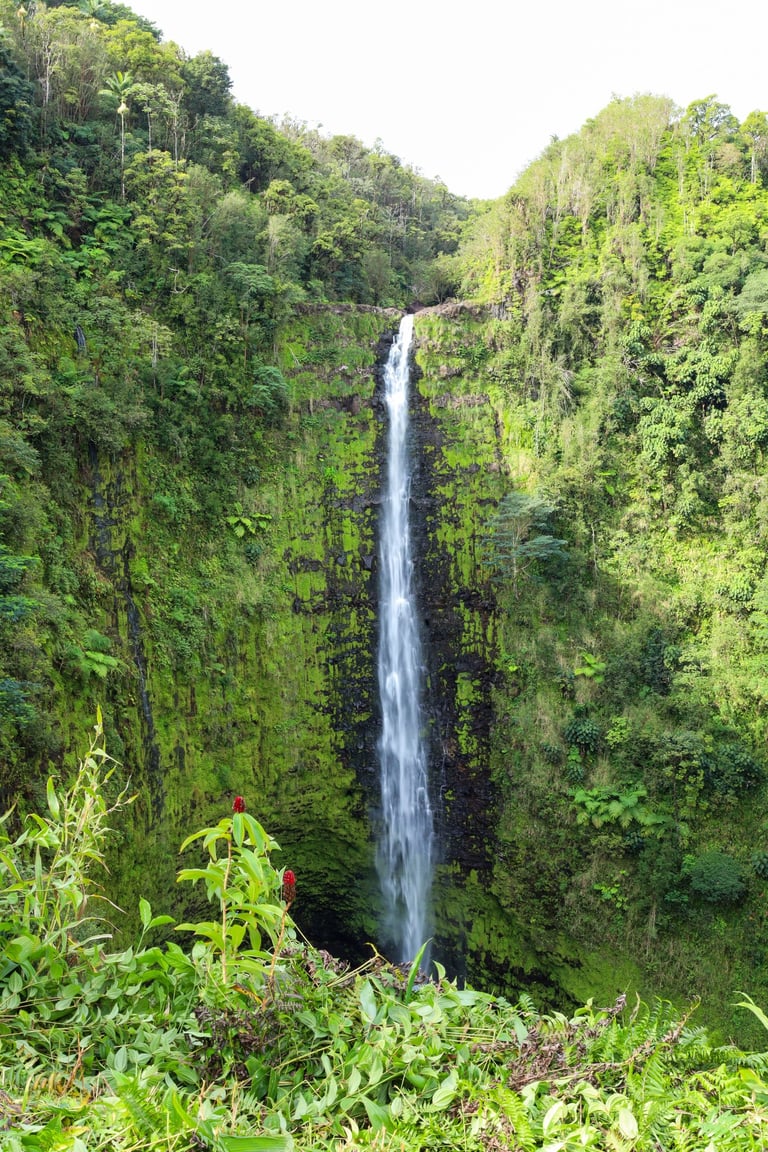
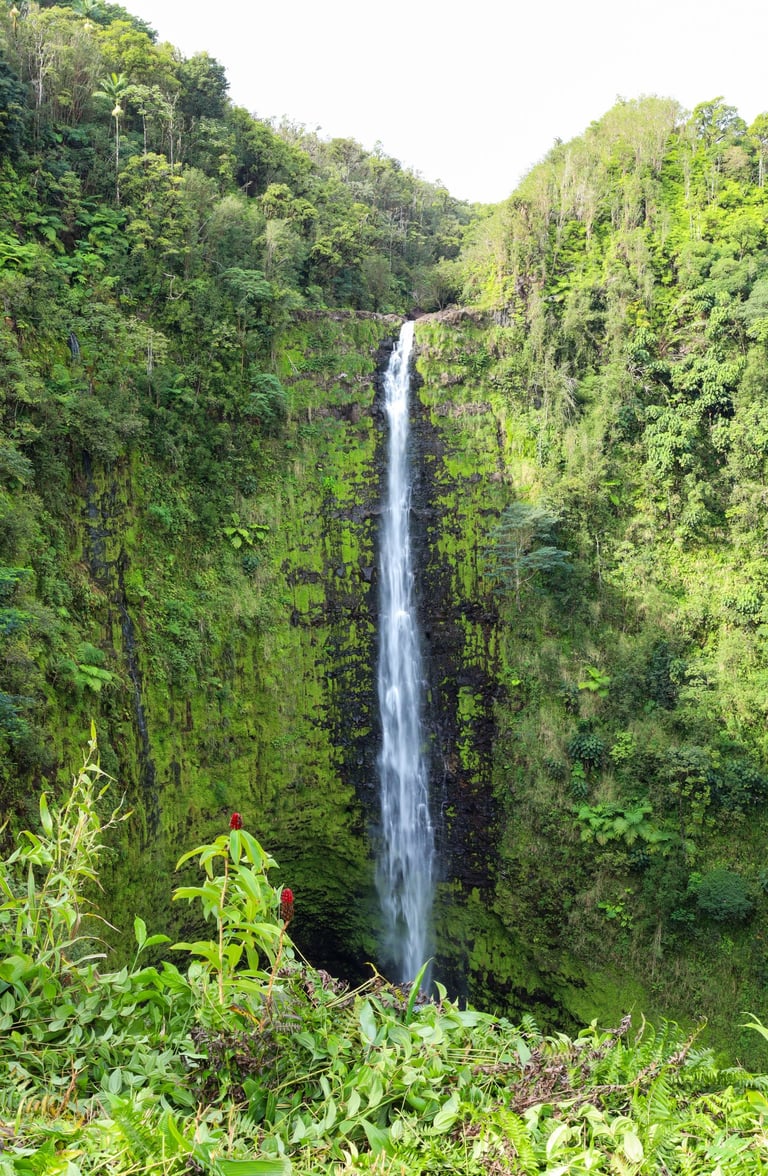
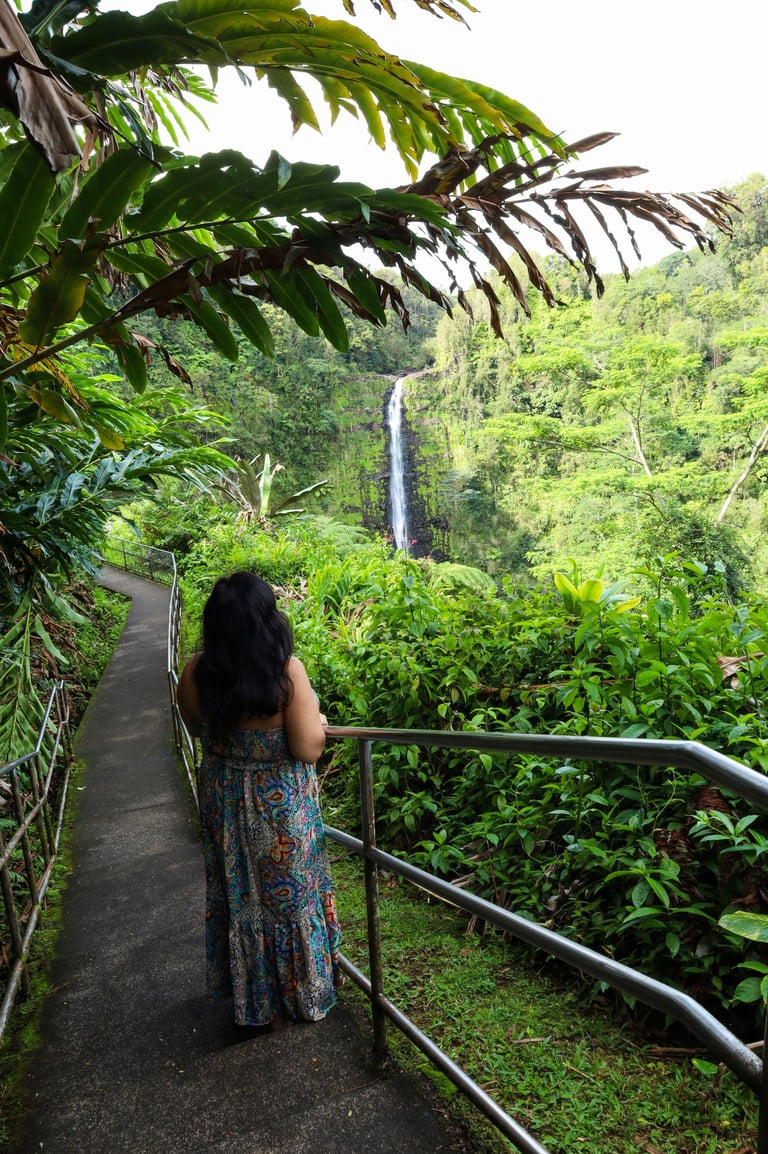
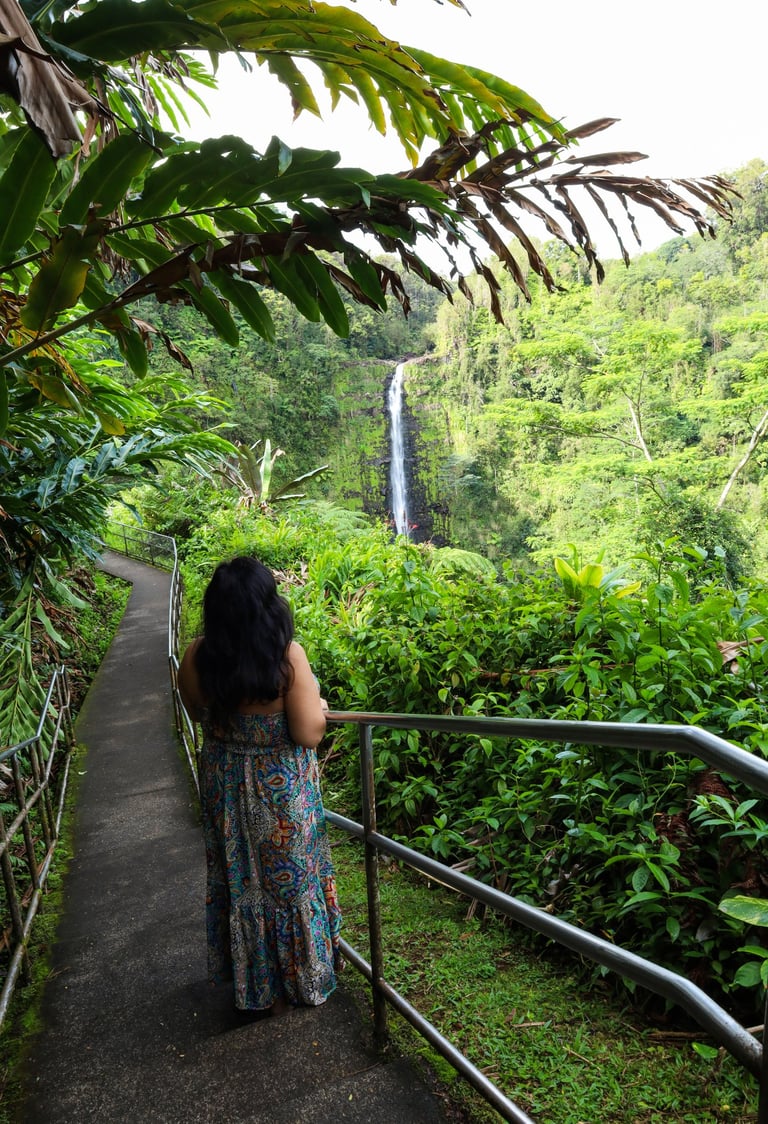
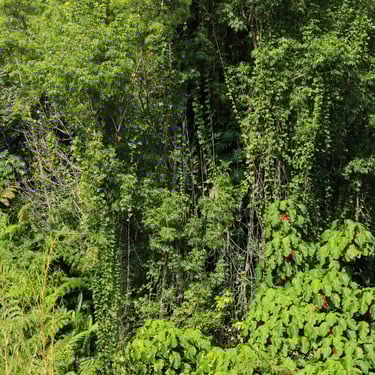
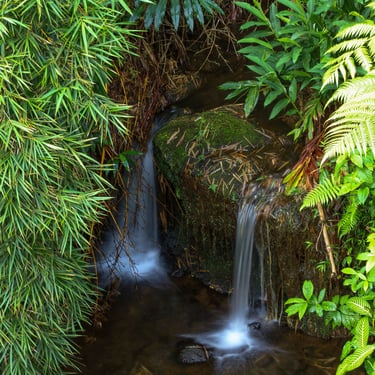
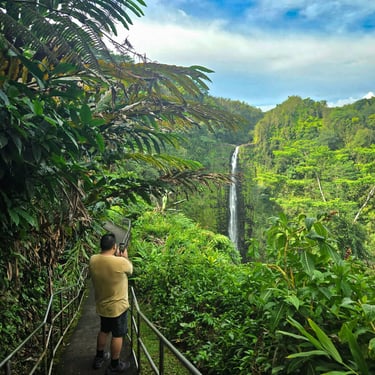
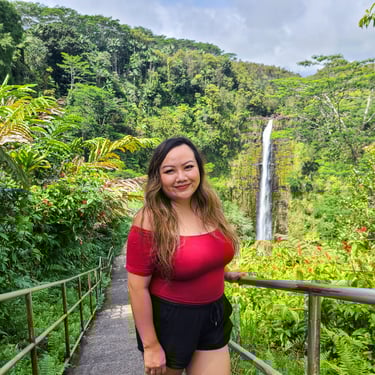
Akaka Falls State Park is located in northeastern Hilo. It’s a lovely place to take a short stroll through tropical flora to see beautiful views and waterfalls. After you park and start your hike uphill, you will be walking through a lush tropical rainforest. This trail will take you through orchids, bamboo groves, eucalyptus trees, Hawaiian native plants, etc. Here is where you will see Kahuna Falls and the famous Akaka Falls. Soak it all in because the views are stunning! Go early to get the whole place to yourself!
Note: not ADA friendly due to steps
Distance: 0.4 miles loop
Duration: under 1 hour, also depending on how long you take to enjoy and take pictures
Hours: Open daily from 8:30am-5:00pm
Cost:
• Parking: $10 per car (non-residents and non-Commercial vehicles)
• Entrance: $5 per person (non-residents)
• All free for Hawaii residents, unless you’re driving a commercial vehicle then you pay for the parking fee only.
Hawai'i Tropical Bioreserve & Garden
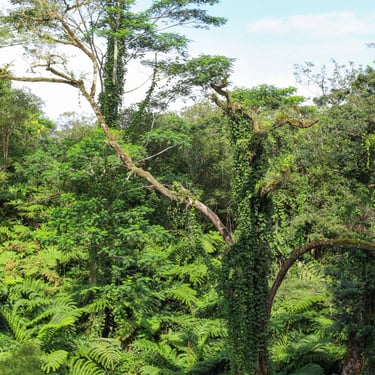
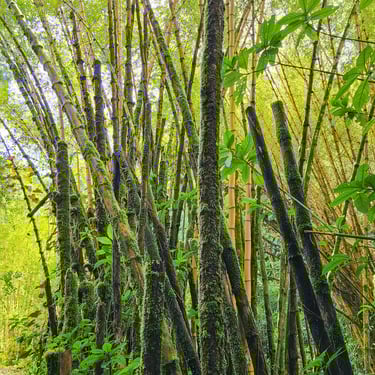
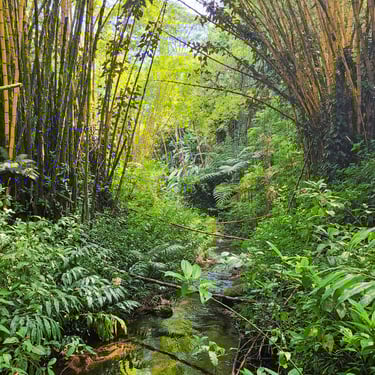
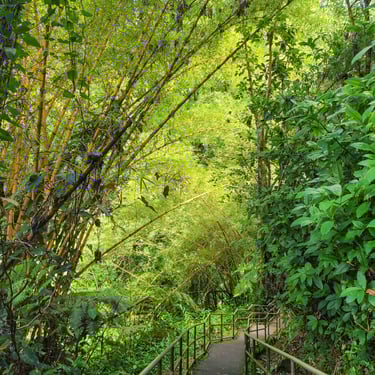
The Hawaii Tropical Bioreserve and Garden is also located in Hilo. Hilo’s rainy climate makes it the perfect home for this lush garden—it actually receives more rainfall than Kona, if you didn’t already know. The Hawaii Tropical Bioreserve and Garden is a huge, tranquil jungle garden with various tropical and exotic plants. The garden features many walking trails (about a mile roundtrip), streams, waterfalls, orchid garden, bird aviary, and many extravagant ocean lookouts (overlooking Onomea Bay and Hamakua Coast). Additionally, there is a visitor center which sells tropical bouquets (can also be cut and shipped same day), souvenirs, clothes, jewelry, snacks, drinks, etc.
Please note that the trails can be wet and slippery during or after recent rain, so please wear good walking shoes. The Hawaii Tropical Bioreserve and Garden actually provides umbrellas too if it rains.
Note: this place is not ADA friendly due to the steep elevation change. Similarly, wheelchairs, walkers, scooters, or crutches are not allowed. However, canes and walking sticks are ok.
Tip: bring insect repellent and water.
Hours: daily 9am-5pm (last entry is at 4pm); closed on major holidays
Cost:
Adults - $30
Children 6-12 years old - $22
Children under 6 years old - FREE
**Note: these discounts are available with a valid ID - Kama’aina (local), Military, and College discounts
Kaumana Caves
Kaumana Caves is a park that actually offers a fast and easy entrance into a lava tube that was created by the eruption of Mauna Loa volcano from 1880-1881.
To get here, you have to go down a metal ladder into the entrance area of the lava tube, which is naturally lit so it offers a little light. If you plan to go farther than the natural light’s brilliance, then you will need flashlights or headlamps as it can get very dark inside. Additionally, it’s important to wear very sturdy and non-slip shoes as the rocks inside can be wet, slippery, and even sharp.
While inside, pay attention to the various lava formations because they’re pretty cool and interesting.
IMPORTANT: only the first two miles of the caves can be explored by yourself because the tube runs under private land so you will need permission before going any farther.
Restrooms: yes, before entrance to cave
Cost: FREE
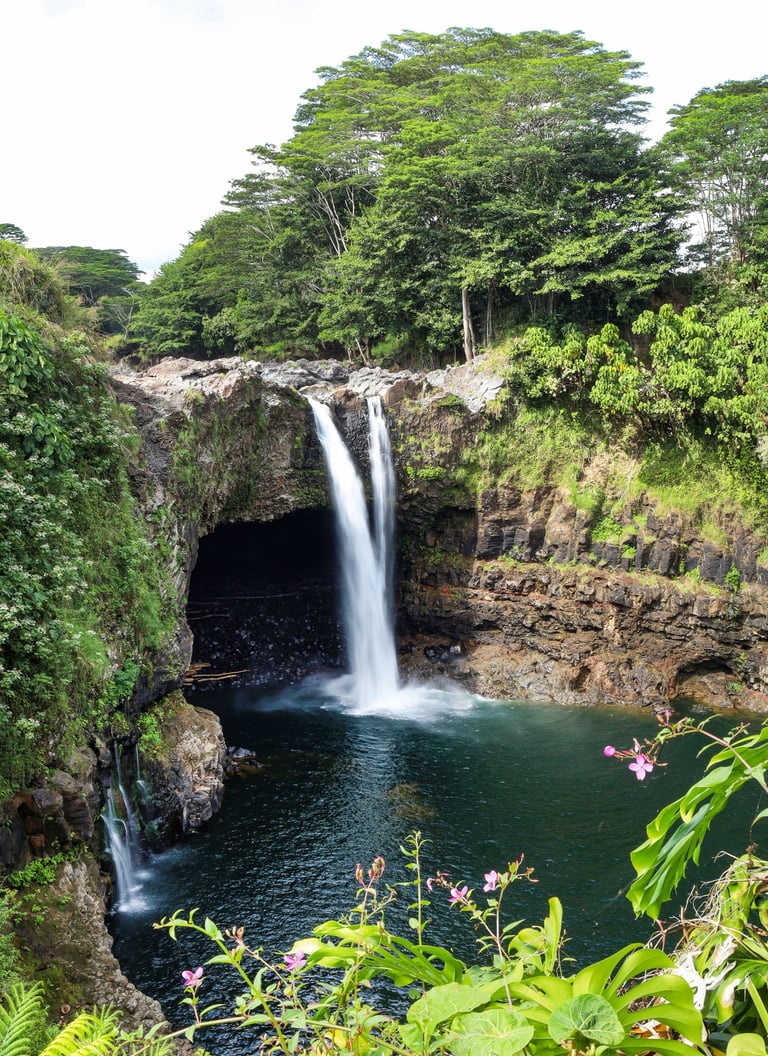
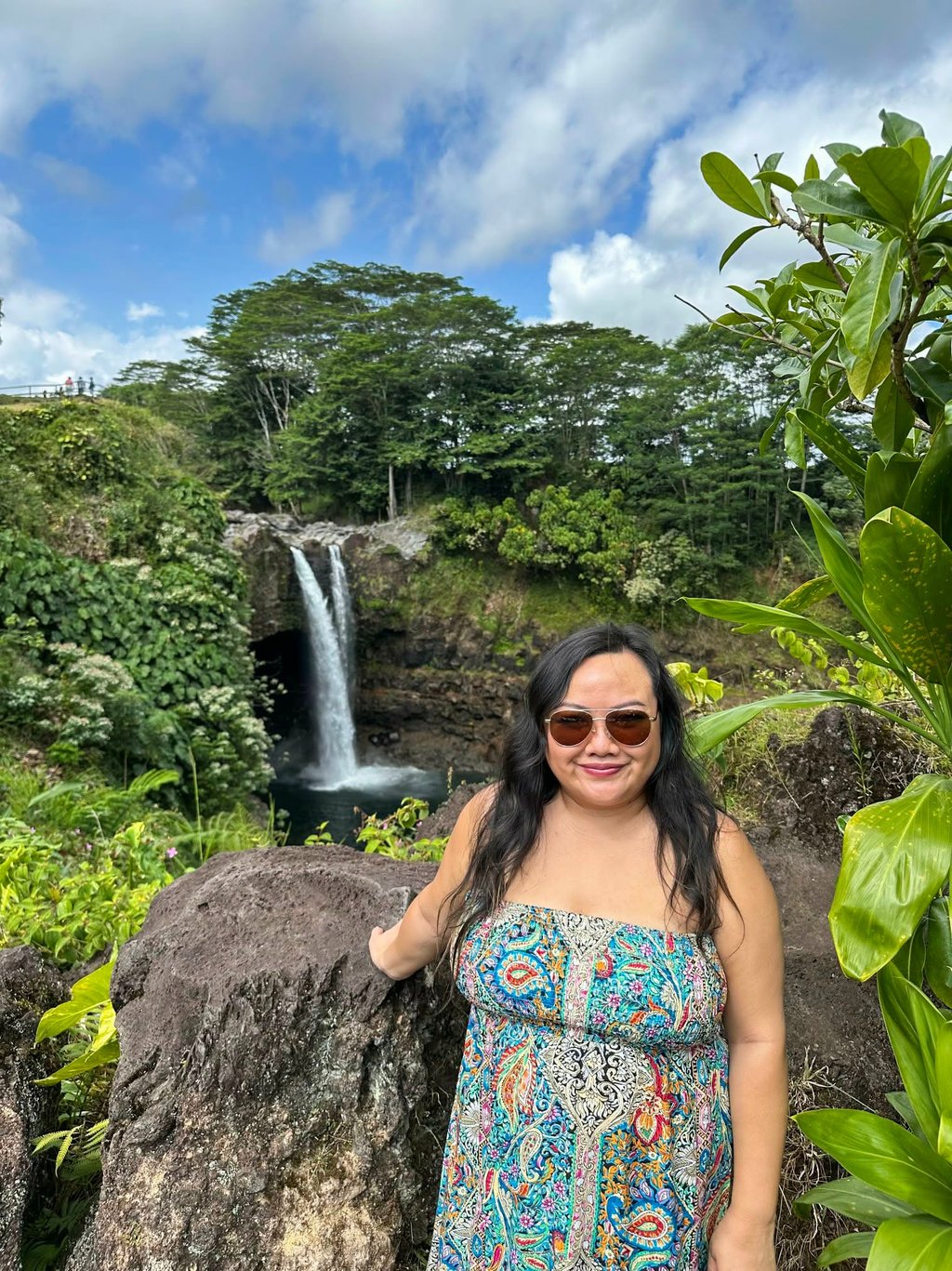
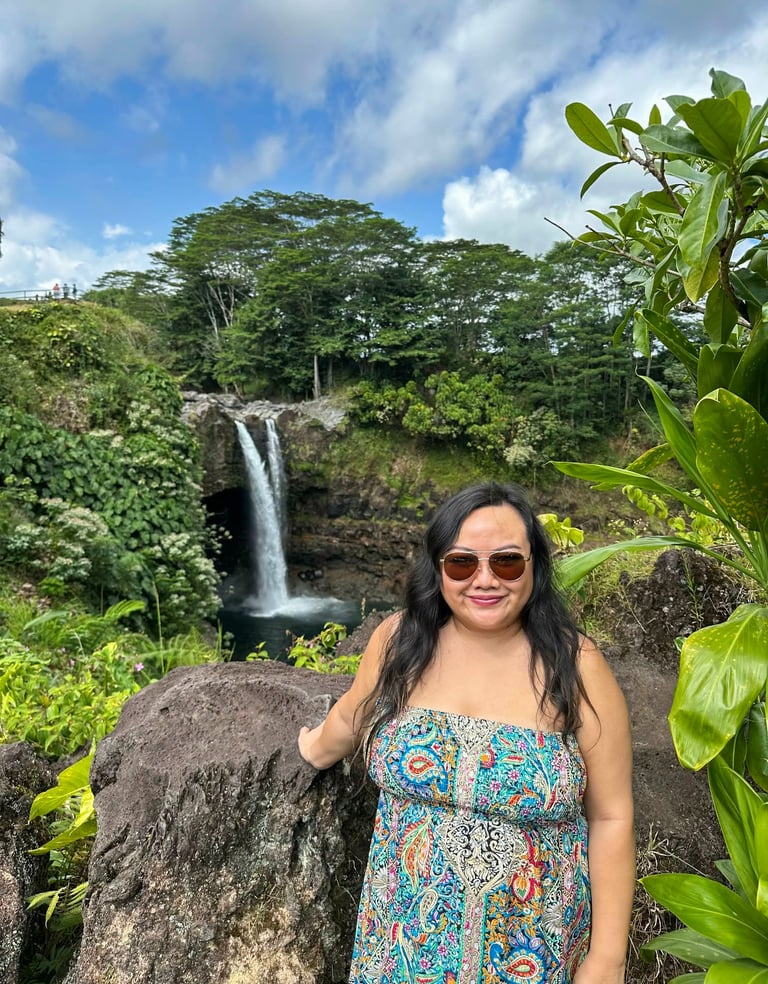
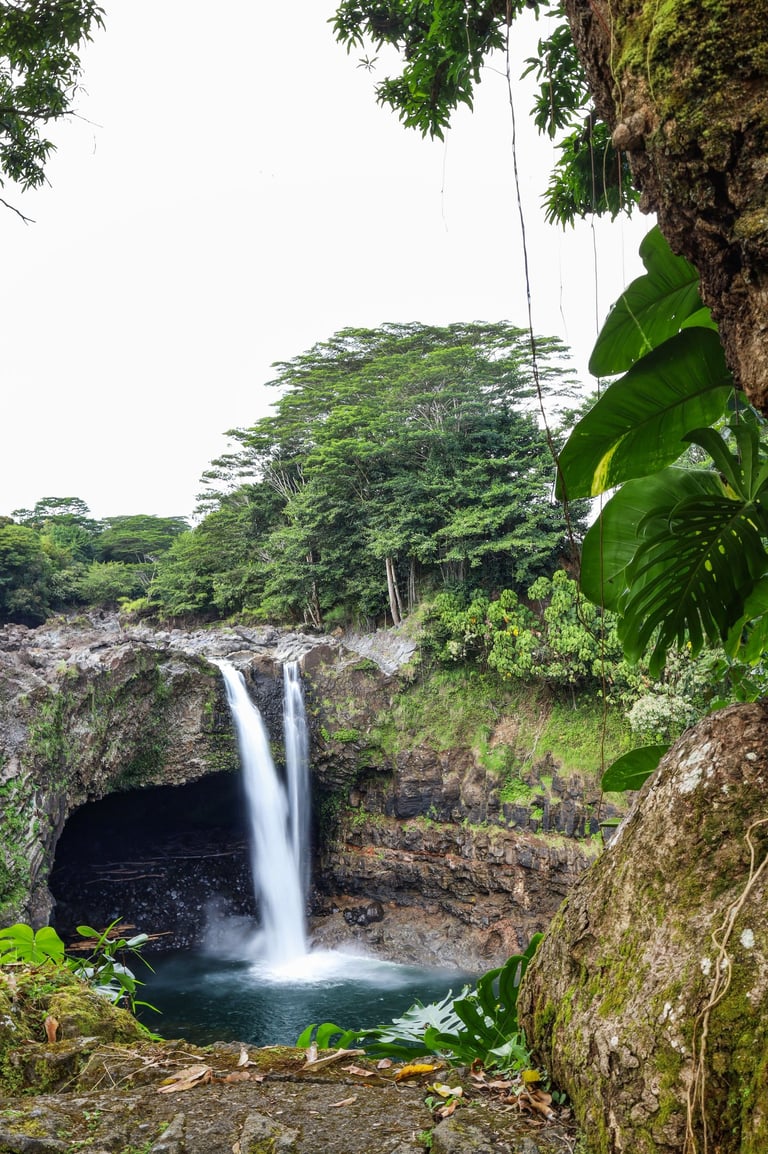
Rainbow Falls
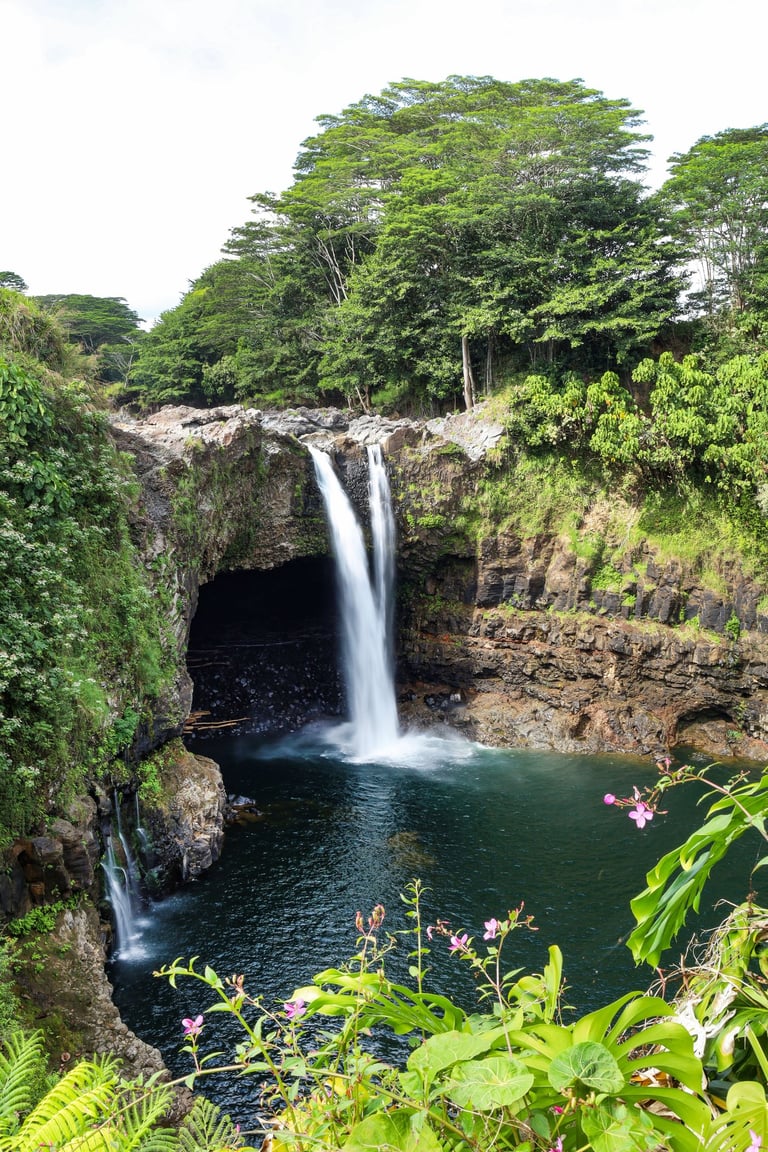
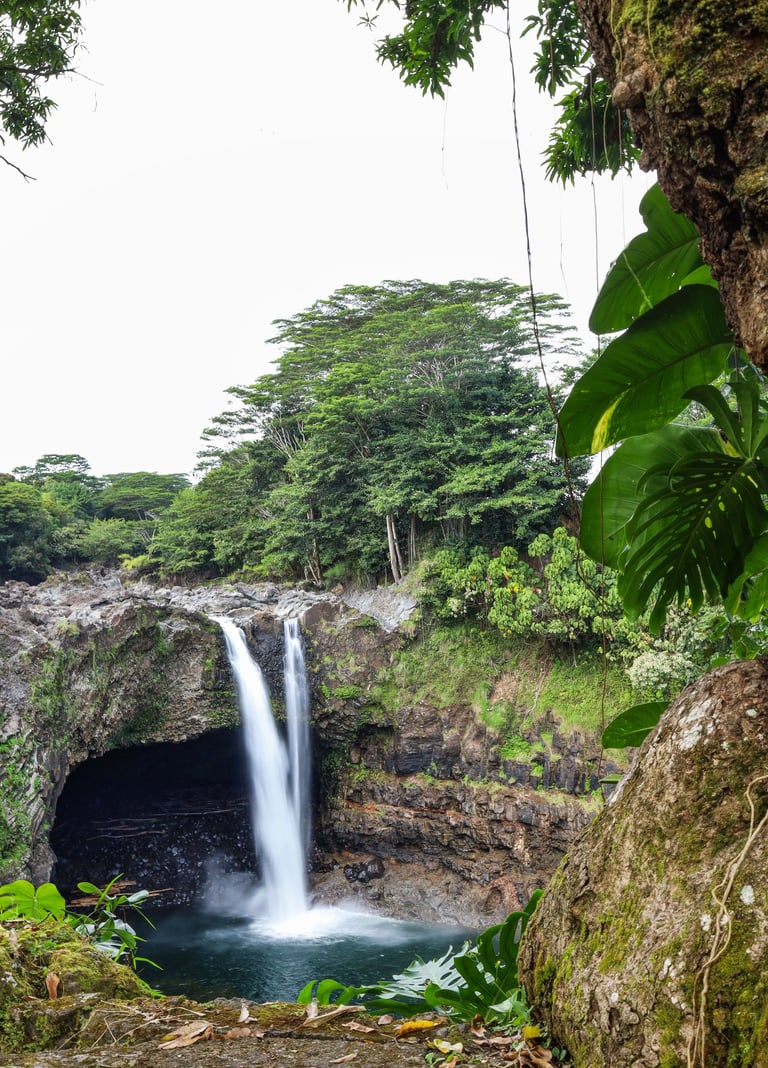
Within Hilo is the famous Rainbow Falls. It’s surrounded by lush foliage.
Rainbow Falls is easily accessible, ADA friendly, and of course you might see rainbows if you visit early in the morning! You can see Rainbow Falls from the parking lot too, or from the top of the falls after a few minutes walking.
This is a quick stop, but come early to avoid massive crowds!
Cost: FREE
Carlsmith Beach Park (Four Mile)
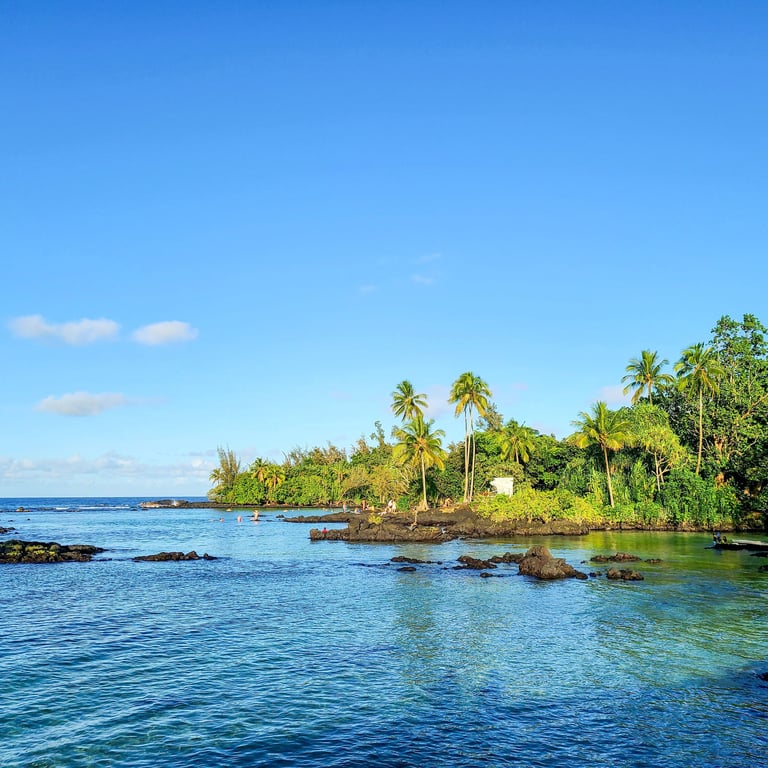
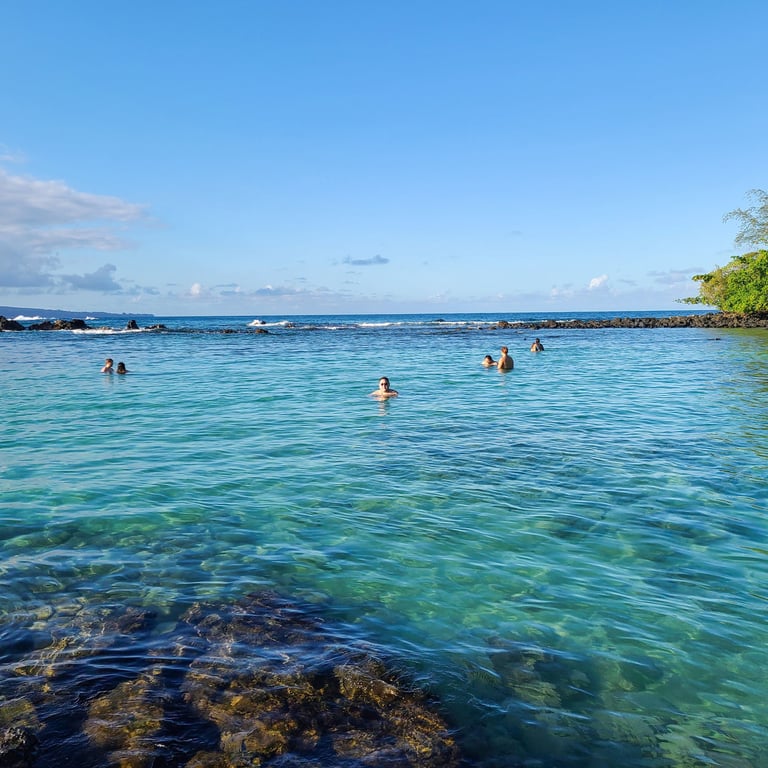
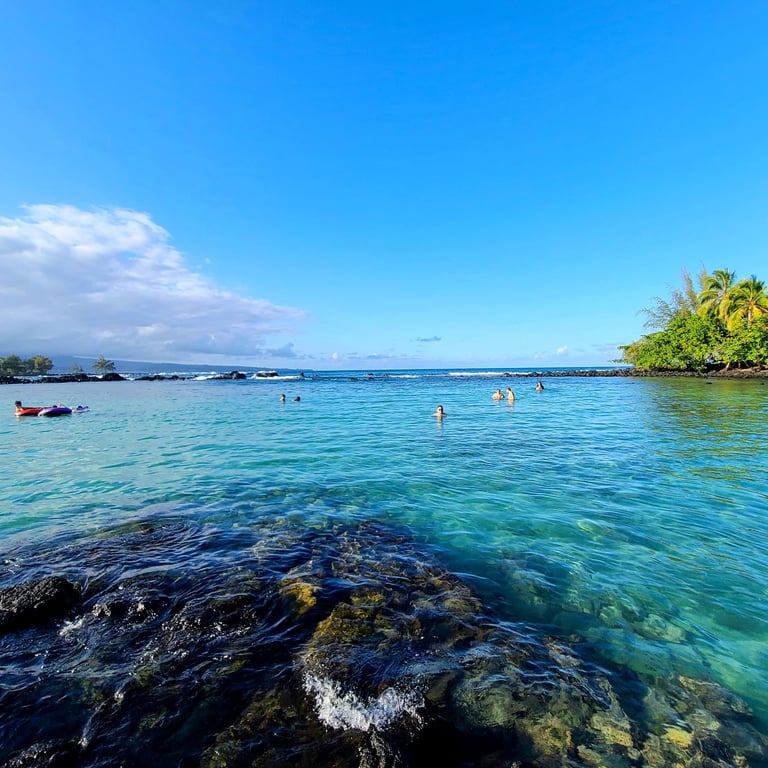
Carlsmith Beach Park, also known as Four Mile, is a perfect place for swimming, snorkeling, and green sea turtle (honu) spotting! It’s a wonderful place to bring kids as the lava rocks and reef create what’s like a sheltered swimming area with minimal small waves. I must warn you that the water is cold here! However, just like any place, your body will adjust slowly!
A negative about this beach is that it’s not your typical sandy beach with blue turquoise waters. Instead, it features a lawn and picnic tables. The ocean bottom is actually smooth and sandy but I think it’s best to wear water shoes just to be safe!
Carlsmith Beach Park has many amenities for visitors, such as parking (although if you go late in the day, you’ll have to park farther away), restrooms, shower, picnic area / tables, and a lifeguard (only on duty on weekends and holidays).
Hours: Daily 7am-8pm
Bathrooms: yes
Saddle Road Region (Northern / Central)
Mauna Kea Sunset / Stargazing
Now why would you go all the way to Hawaii, or even the Big Island, to stargaze? Can’t you do that anywhere? Yes you can, BUT Mauna Kea is the highest point in Hawaii and is one of the best locations for stargazing due to its high elevation and dark skies free from pollution. On a clear night, you’ll see nothing but bright lights in the sky, possibly shooting stars, and even the milky way! It’s incredible! We’ve been a few times and loved it all!
Did you know that Mauna Kea is actually the tallest mountain in the world? Yes! How interesting, right? You would think it’s Mount Everest, but from base to peak, Mauna Kea is the winner!
RECOMMENDATION:
While you’re going to be here, I recommend arriving early for sunset. Park at the Mauna Kea Visitor Station, and do a short hike to watch the sunset. This hike is called the Pu‘u Kalepeamoa Trail. If you’re lucky, you might see a cloud inversion!
Note: Bring a flashlight / headlamp because you’ll be hiking in the dark coming back.
IMPORTANT:
Going to Mauna Kea is no easy thing. The elevation is what gets you. On average, the United States has an elevation of 2,500 feet above sea level, with variations across the country of course. Now, Mauna Kea Visitor Center is 9,200 feet above sea level, and the summit of Mauna Kea is 13,803 feet above sea level. Therefore, it’s extremely important avoid elevation sickness by taking it easy and trying to acclimate.
Best and Affordable Place to Stargaze:
The Mauna Kea Visitor Information Station (VIS)
Hours: open daily from 9am-9pm
Cost: FREE
There are a few options to stargaze at Mauna Kea:
around the visitor center
drive to the summit (4WD required)
take a tour (some include sunset and stargazing, others only include stargazing)
Tips:
Fuel up your vehicle before going to Mauna Kea because there are no gas stations there
GO EARLY because once parking lot at visitor center is full, you will be turned away
Look at moon phase before going (if it’s full moon, the sky won’t be as dark)
Weather is important although sometimes unpredictable; check before going
Wear warm clothes because temperature changes drastically after sunset, it can be freezing
Bring a tripod and dslr camera for better pictures
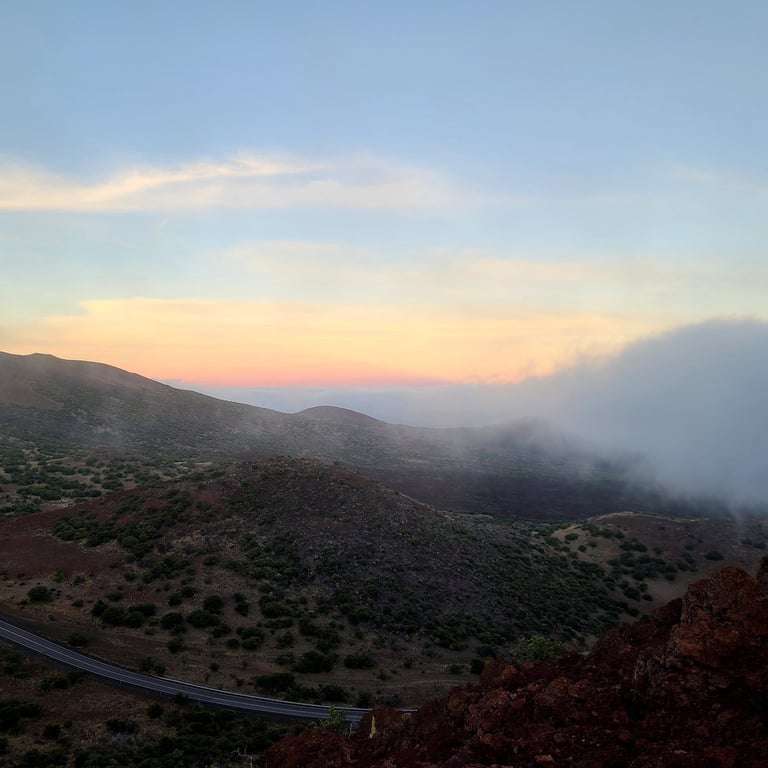
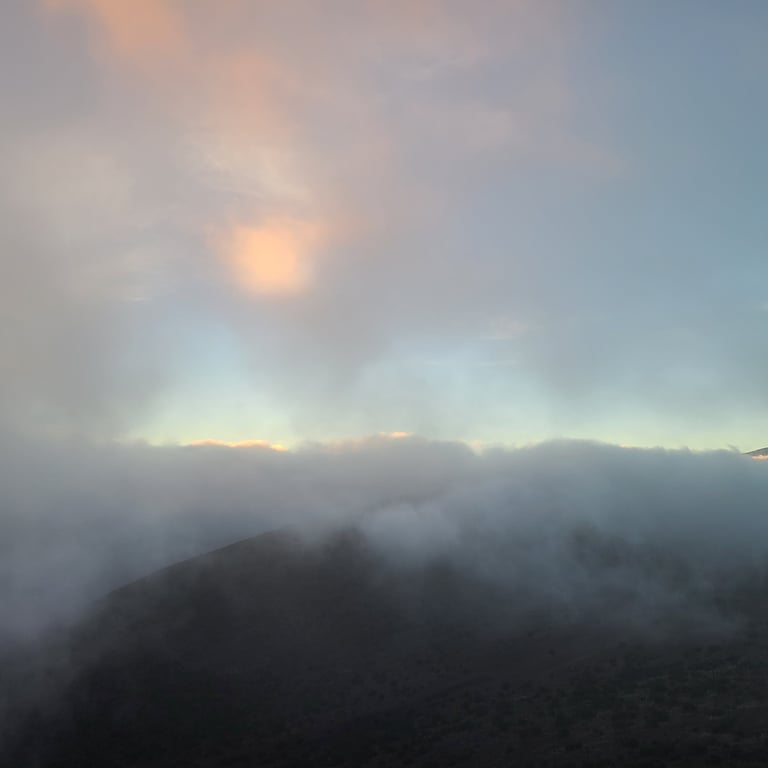
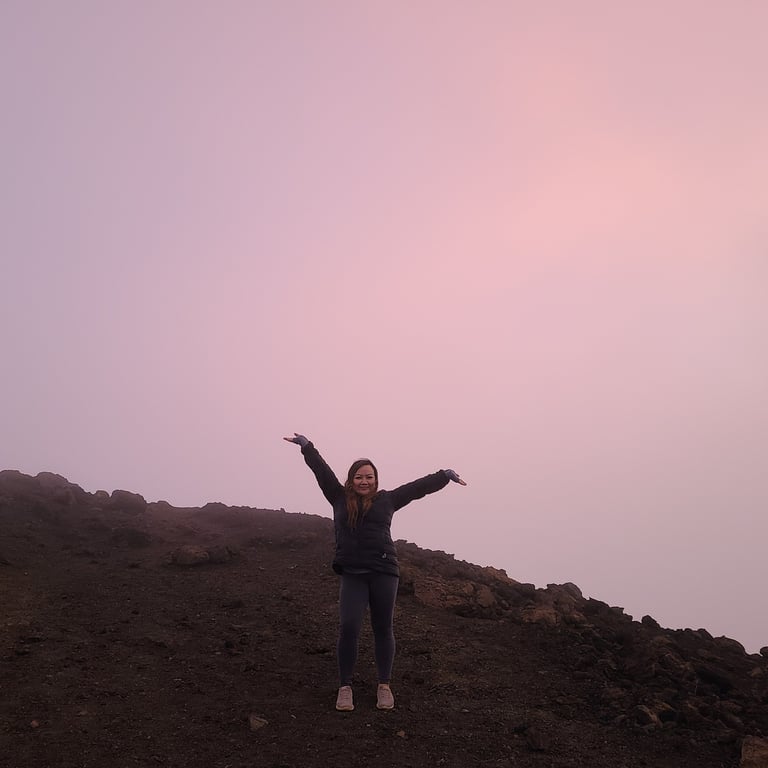
Above: this was our first experience watching the sunset at Mauna Kea. As you can see, weather is so unpredictable.
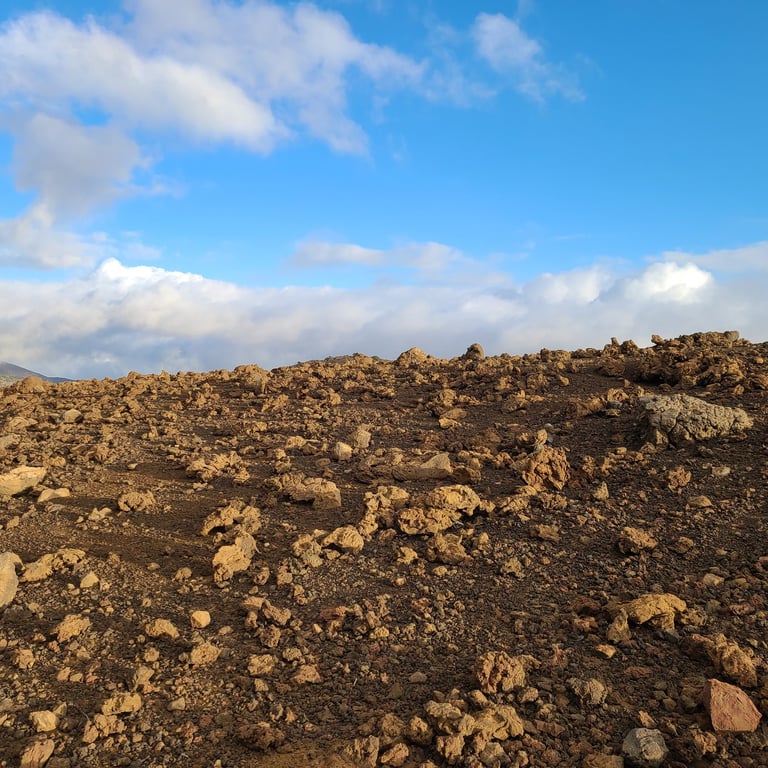
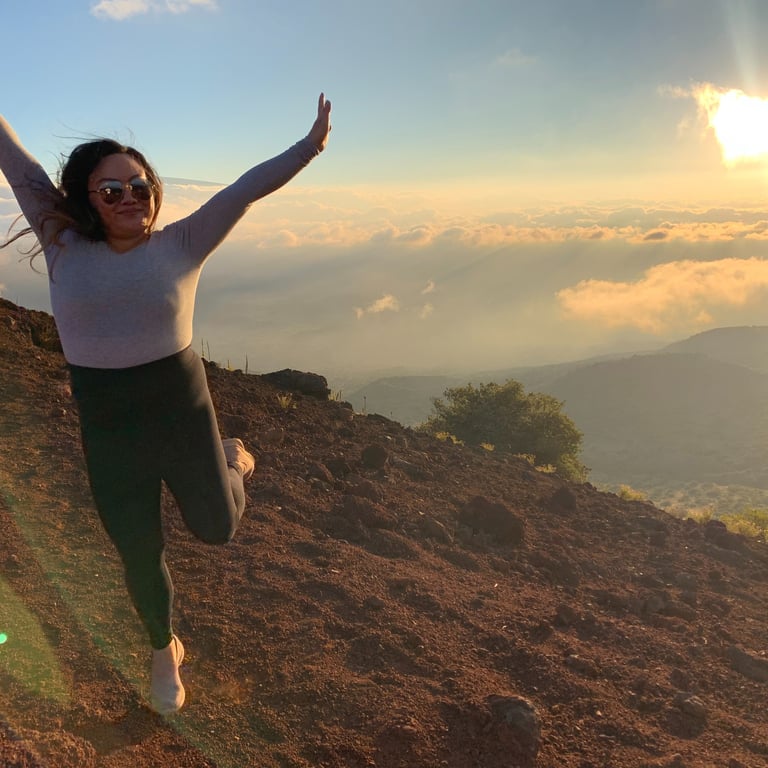
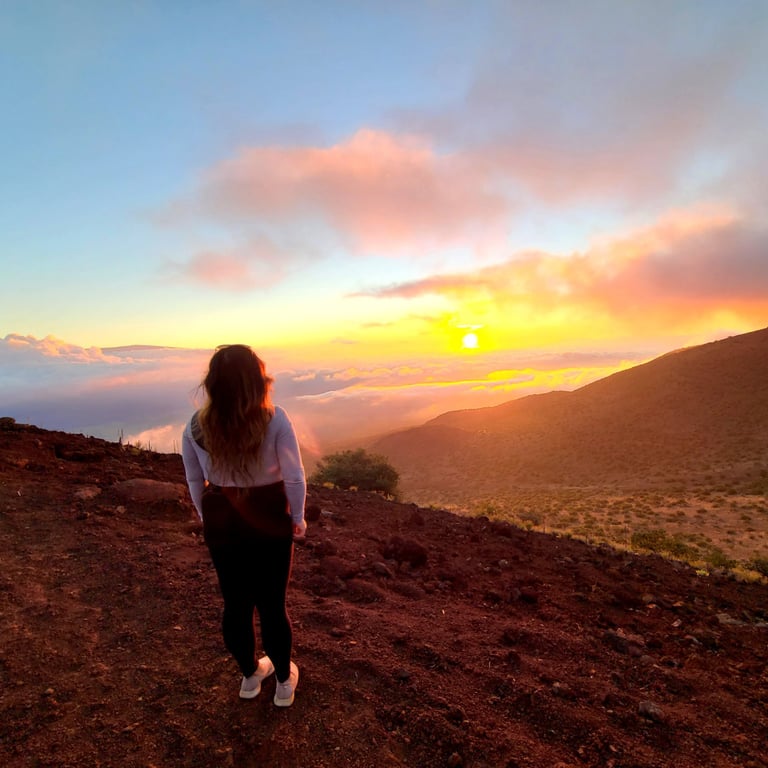
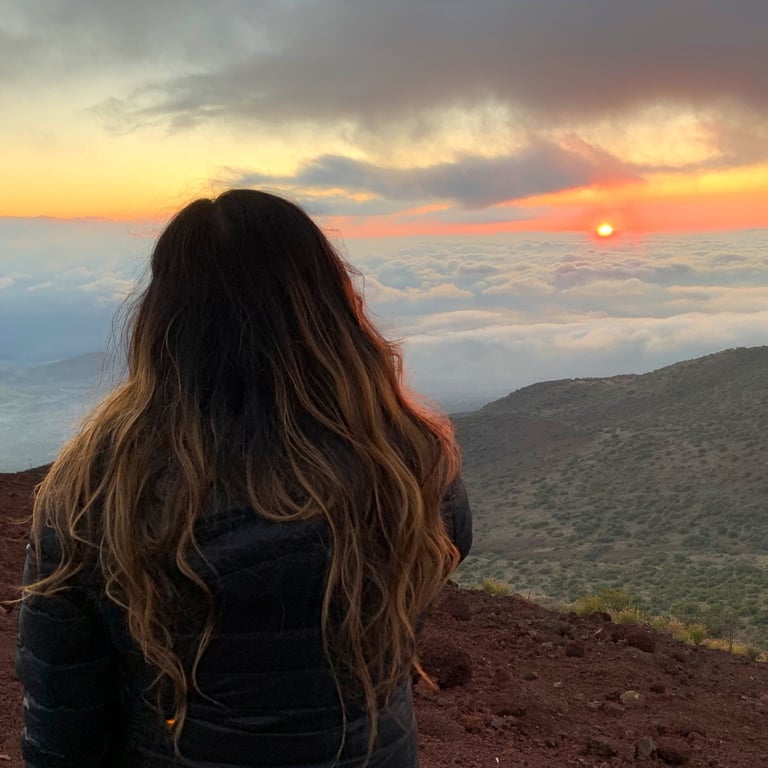
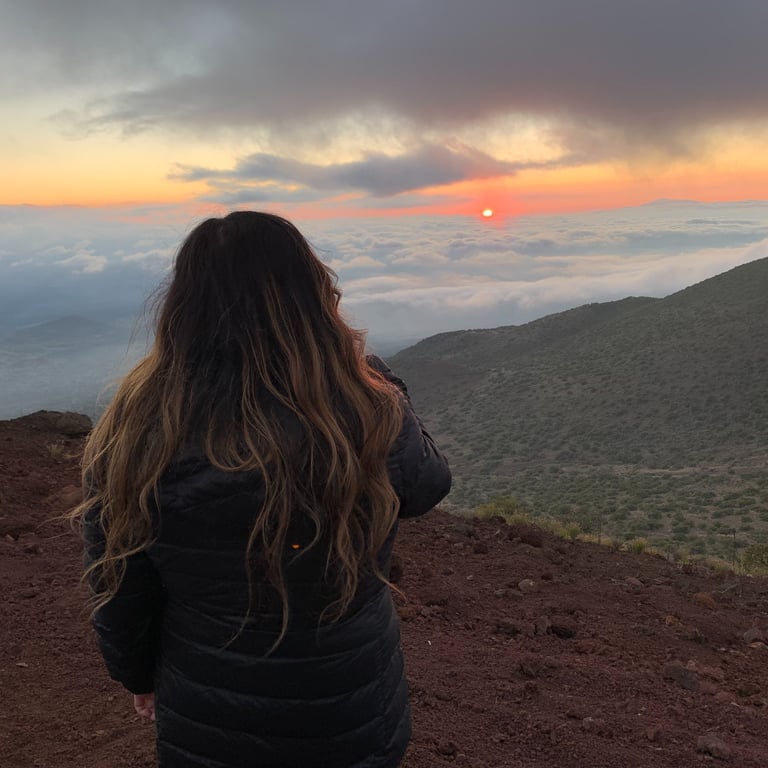
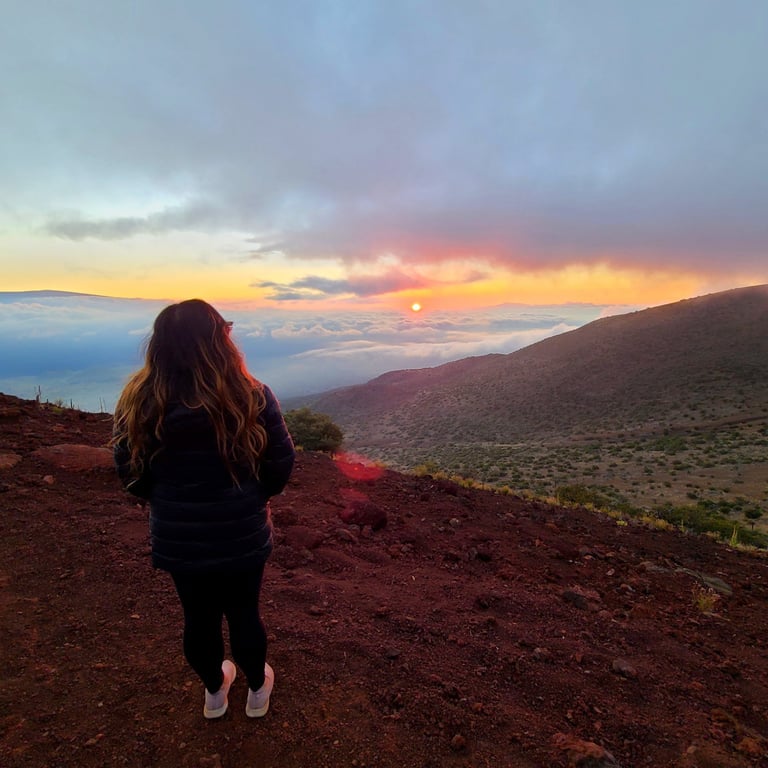
Above: our second visit to Mauna Kea was one of the most amazing sunsets! We were so blessed with weather.
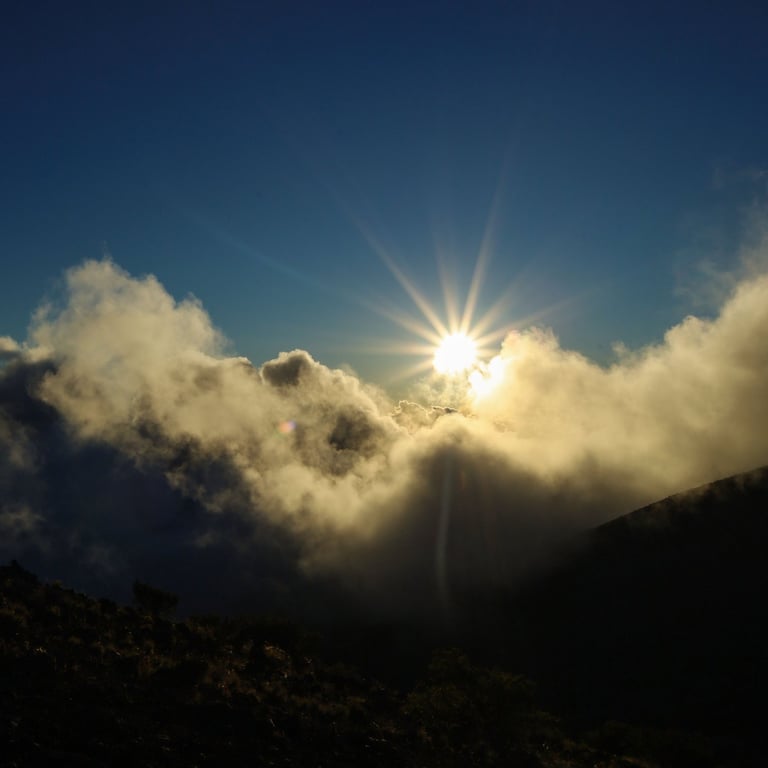
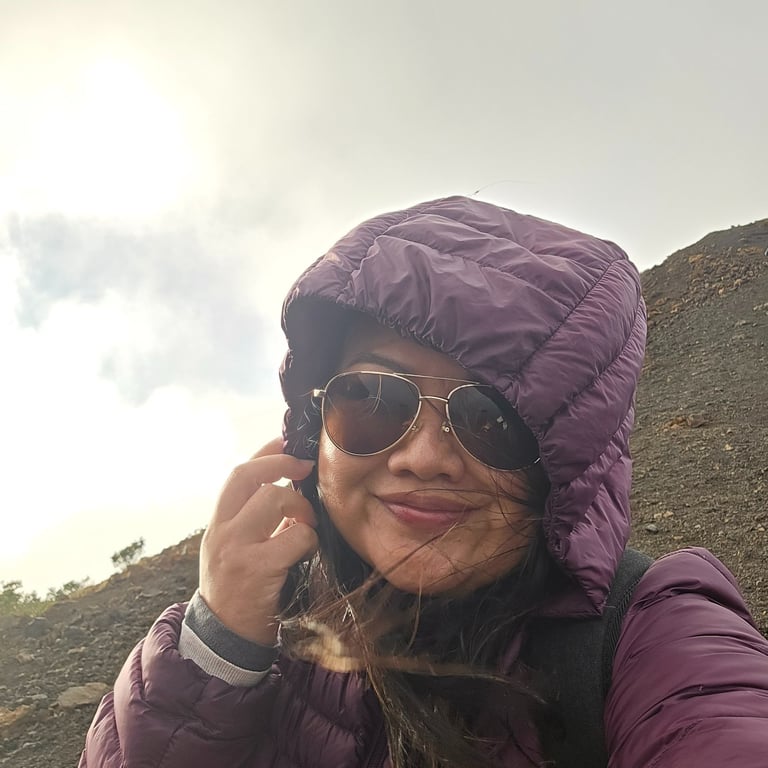
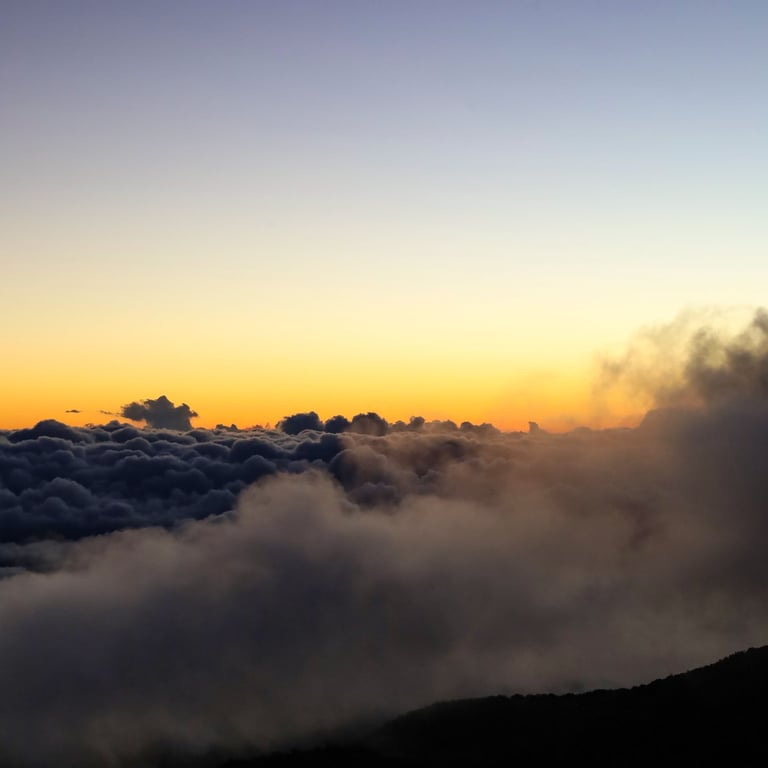
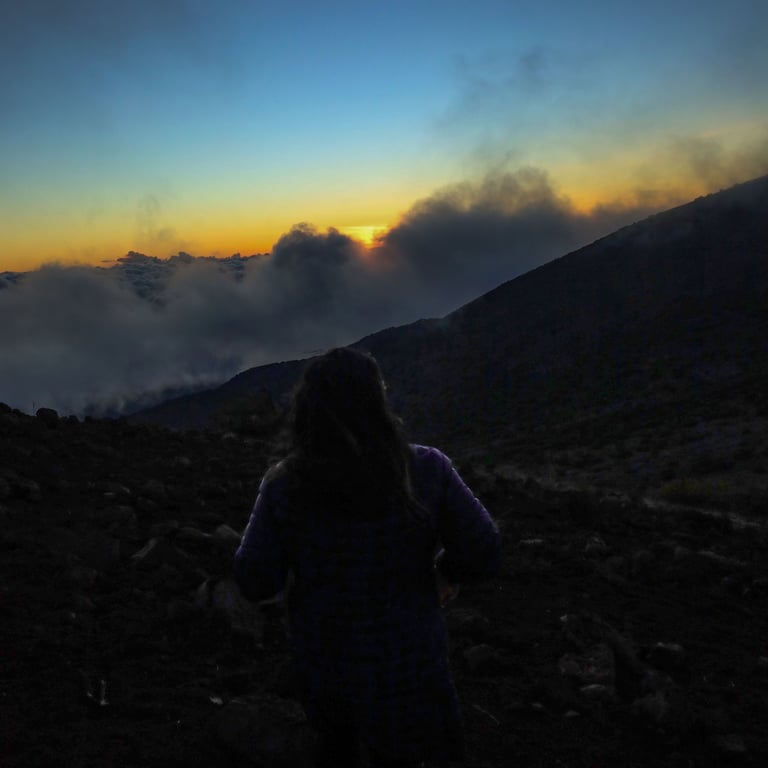
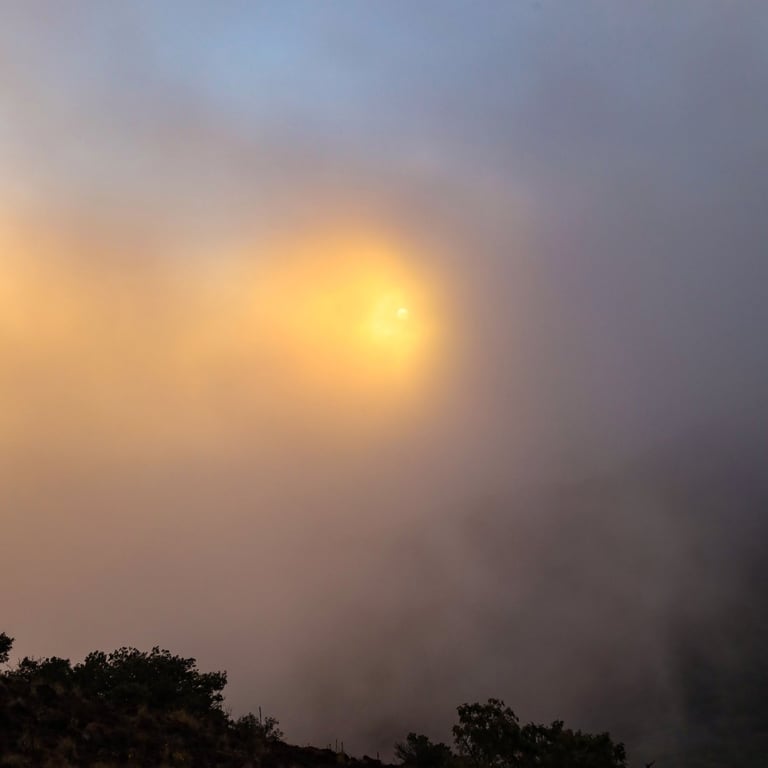
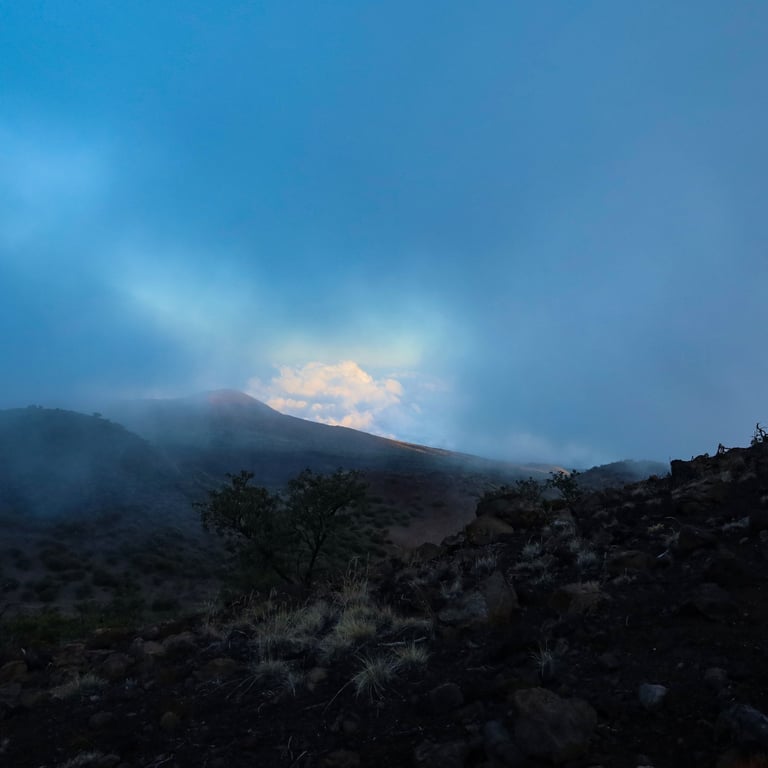
Above: our visit in Jan 2025, it was a pretty nice sunset!
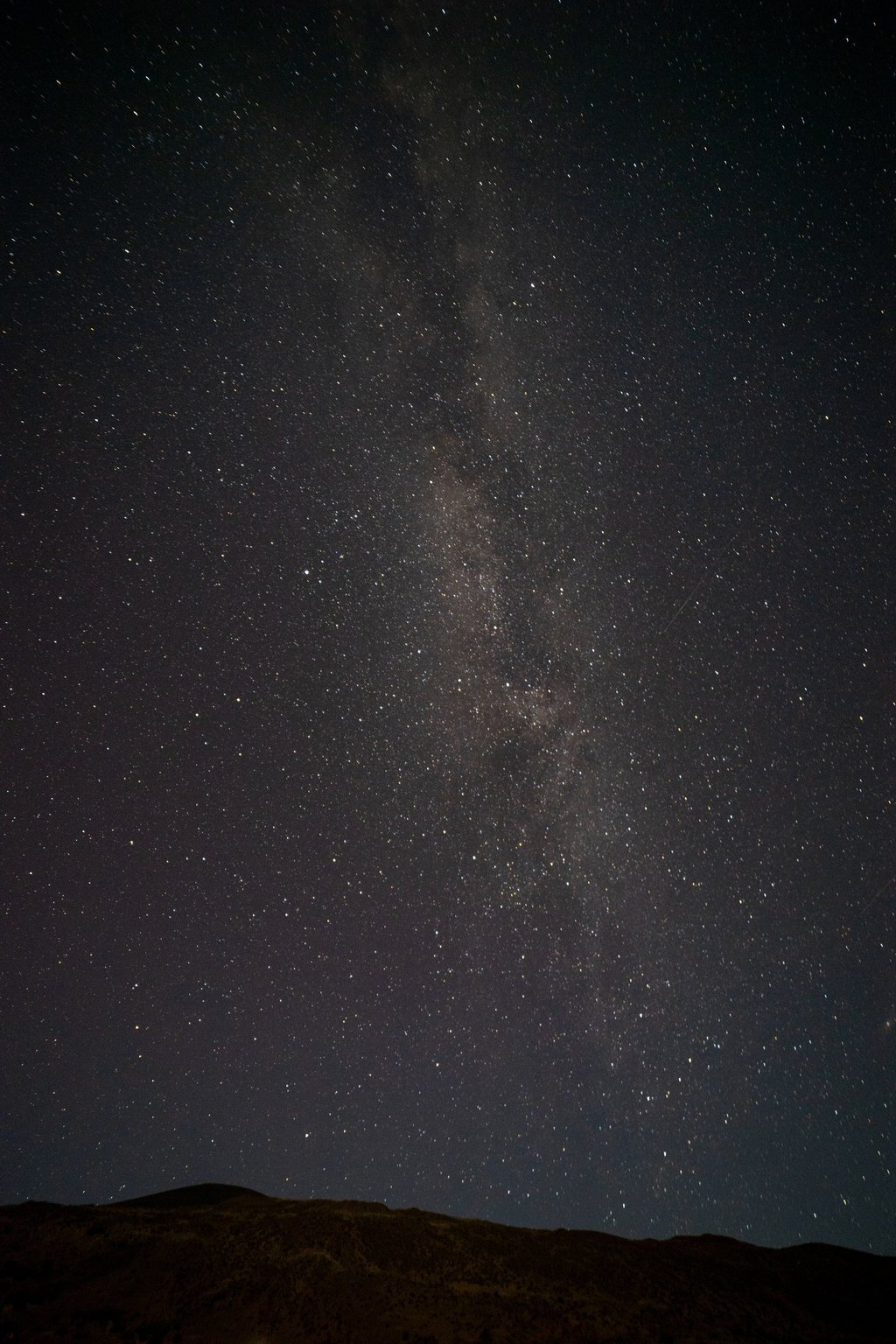
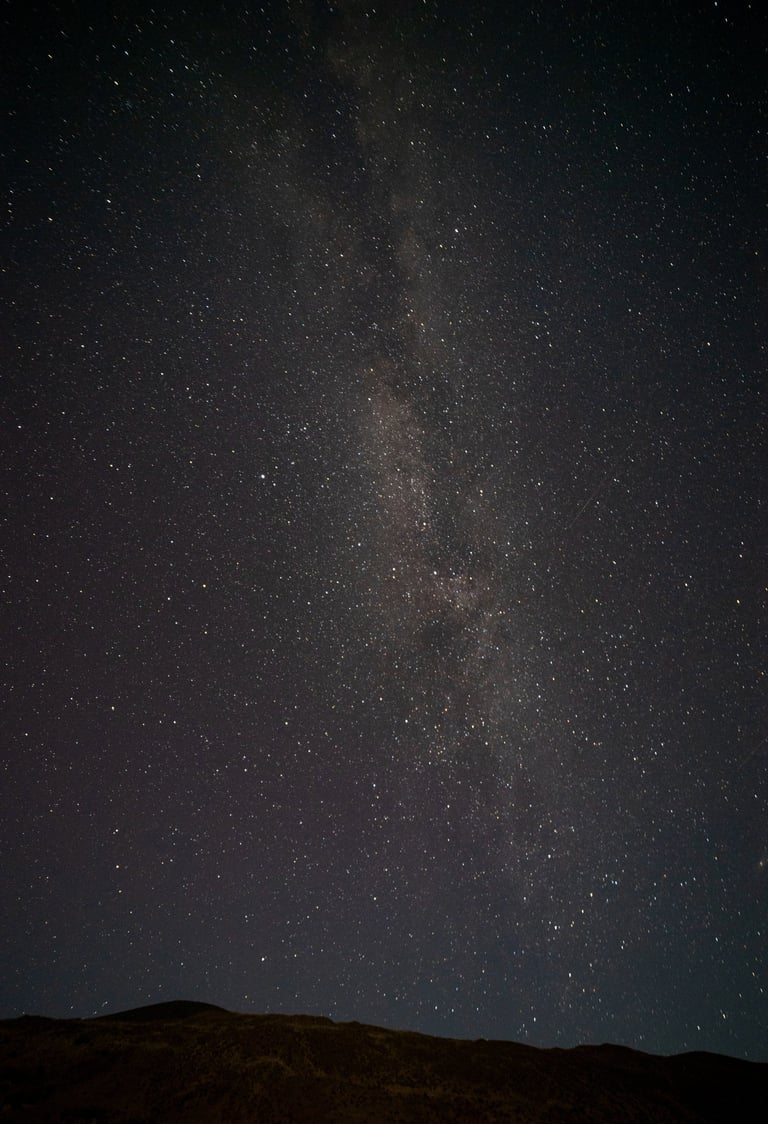
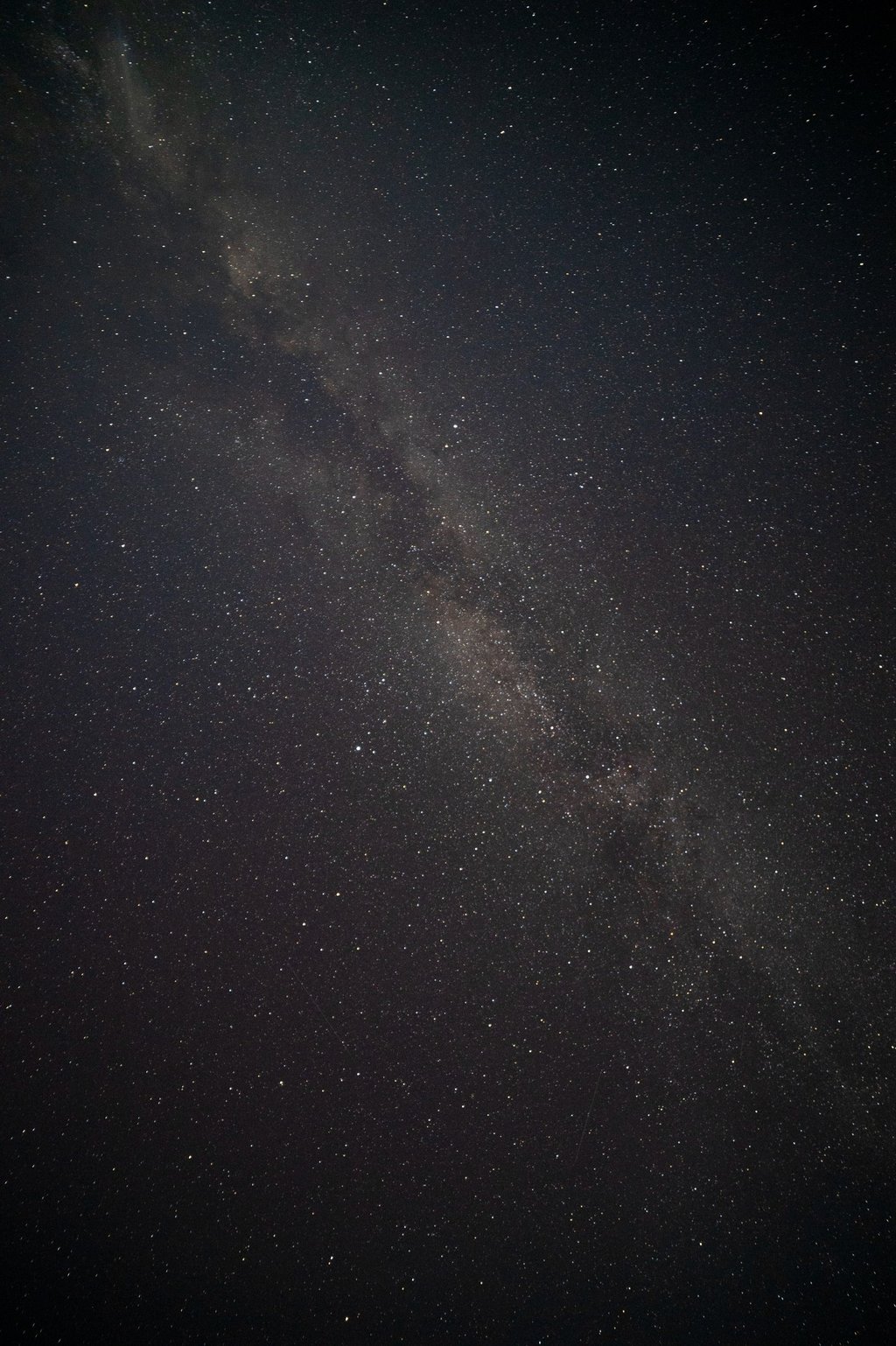
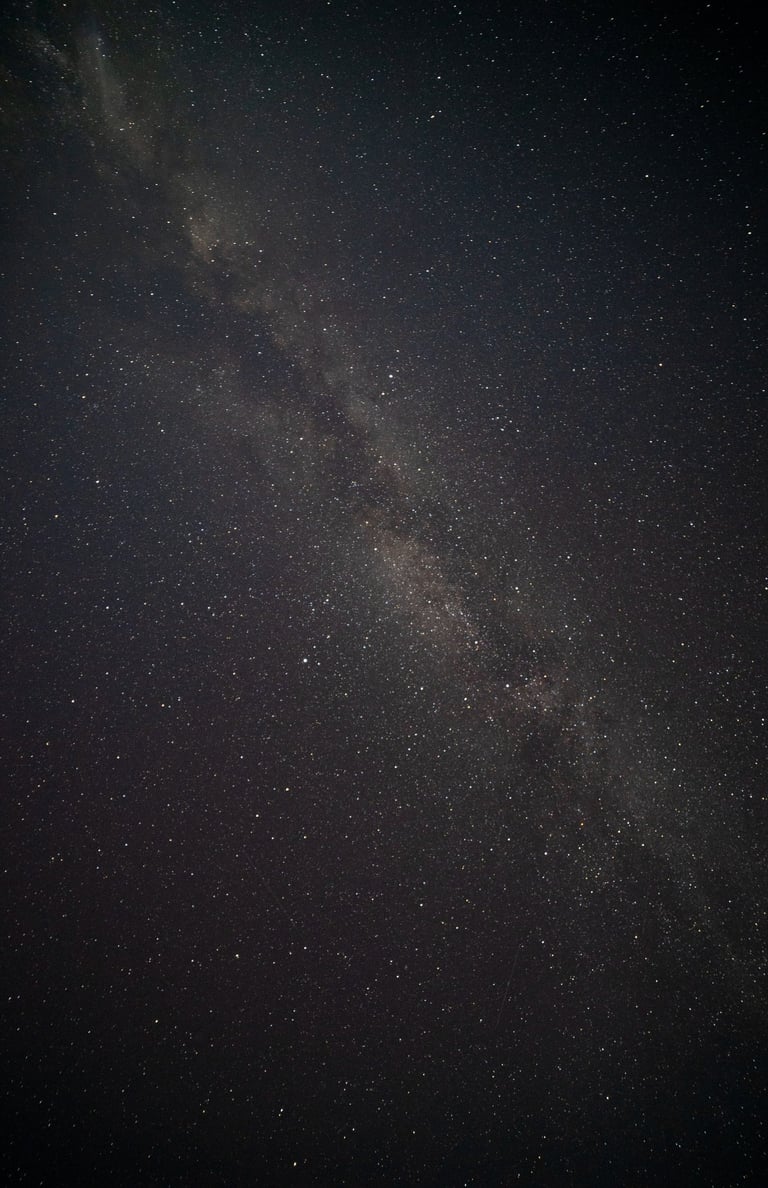
Above: amazing stargazing at Mauna Kea! We were lucky to have seen the milky way!
Volcanoes Region (Southeast)
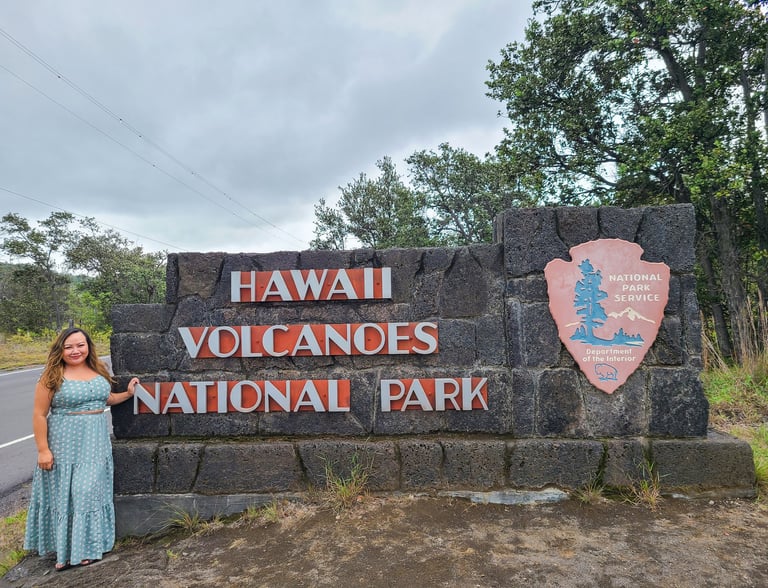
Hawaii Volcanoes National Park
Hawaii Volcanoes National Park is home to two of the world’s most active volcanoes: Kilauea and Mauna Loa. Although both are active, Kilauea is actually the world’s most active volcano and Mauna Loa is the world’s largest volcano.
NOTE:
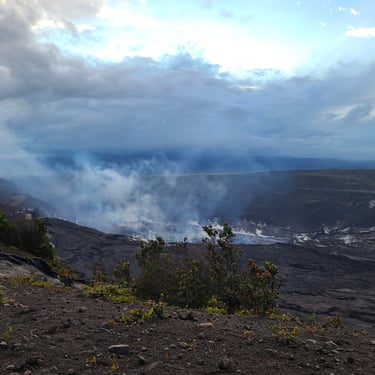
If you time it right, you can see the lava glow at Hawaii Volcanoes National Park during an eruption. It’s unpredictable, thanks to weather and volcanic activity. We had been tracking it for days, and during our hike it was cold and sprinkling—we thought we might miss it entirely. But later that night, the skies cleared, and the view was stunning. There are multiple viewpoints to watch from, or you can take a tour for a smoother experience.
Top things to do are:
Thurston Lava Tube
Kīlauea Overlook
Pu’uloa Petroglyphs
Sulphur banks
Kilauea Crater
Crater Rim Drive
Chain of Craters Drive
Holei Sea Arch
Cost:
Private vehicle / motorcycle - $30 (pass is valid for 7 days)
Individual pedestrian / bicycle - $15 (pass is valid for 7 days)
Annual Pass - $55
FREE with the America the Beautiful Pass. I recommend buying it already if you plan to visit two or more national parks in a year.
Please check conditions before going HERE.
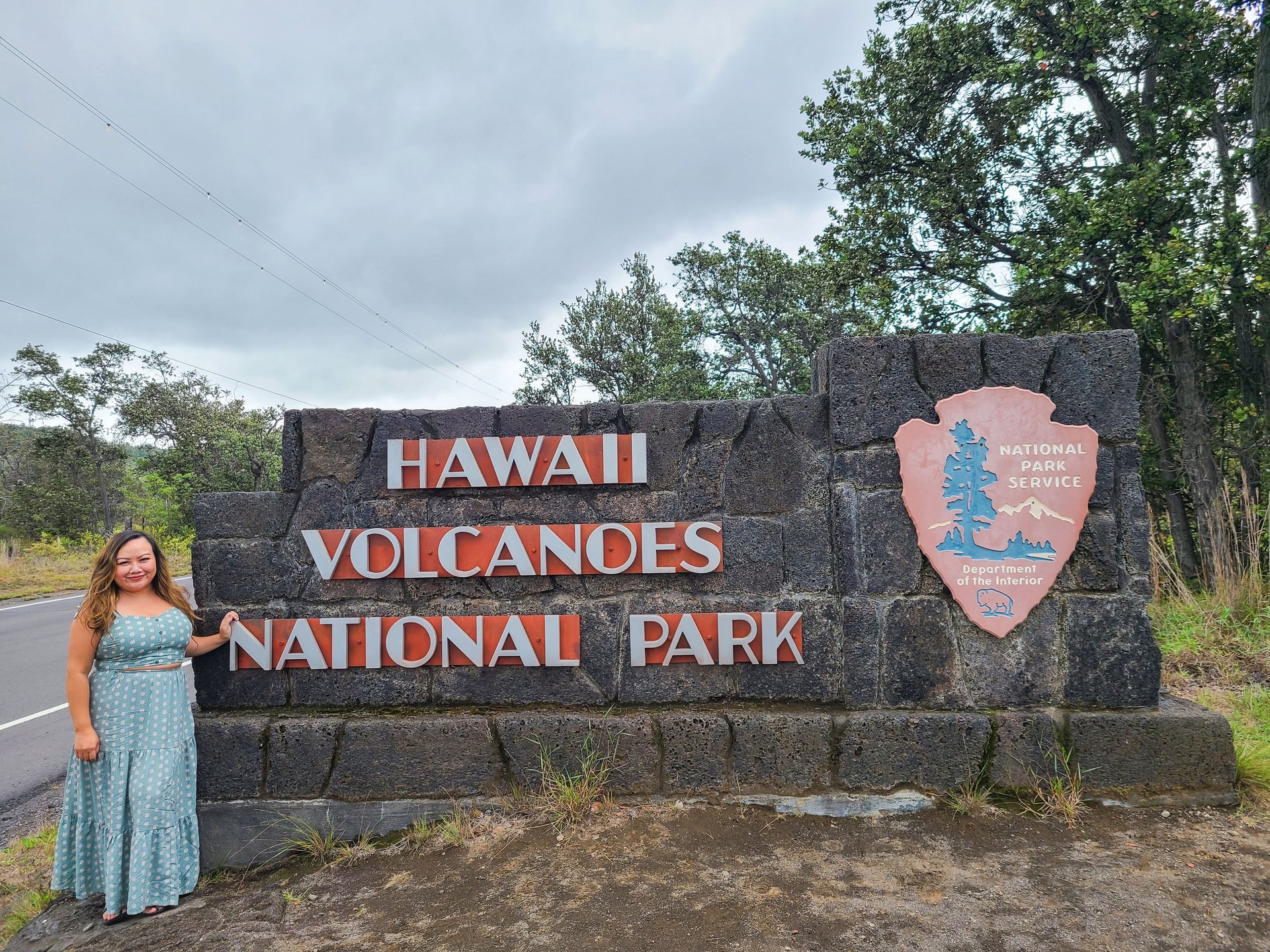
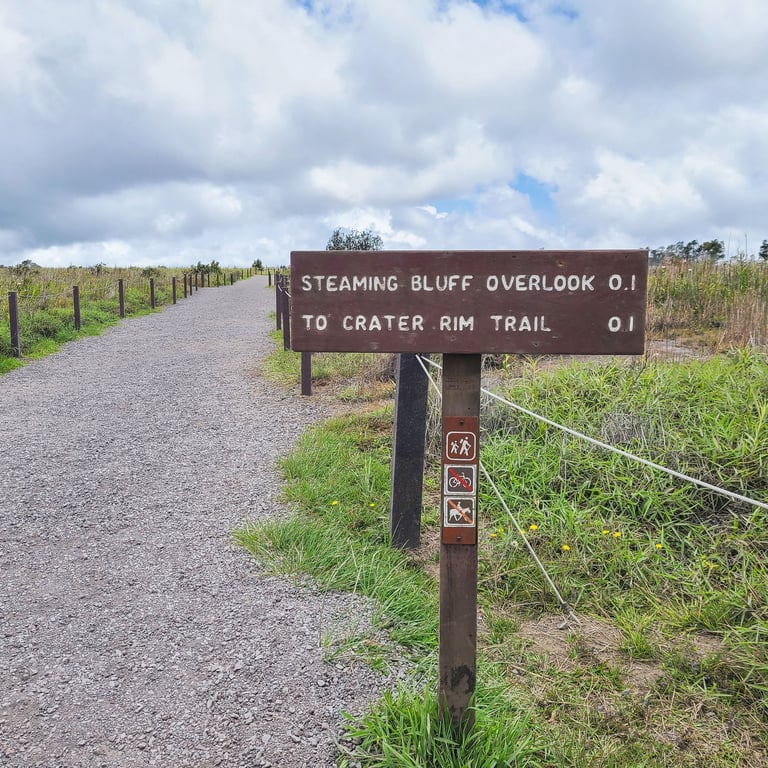
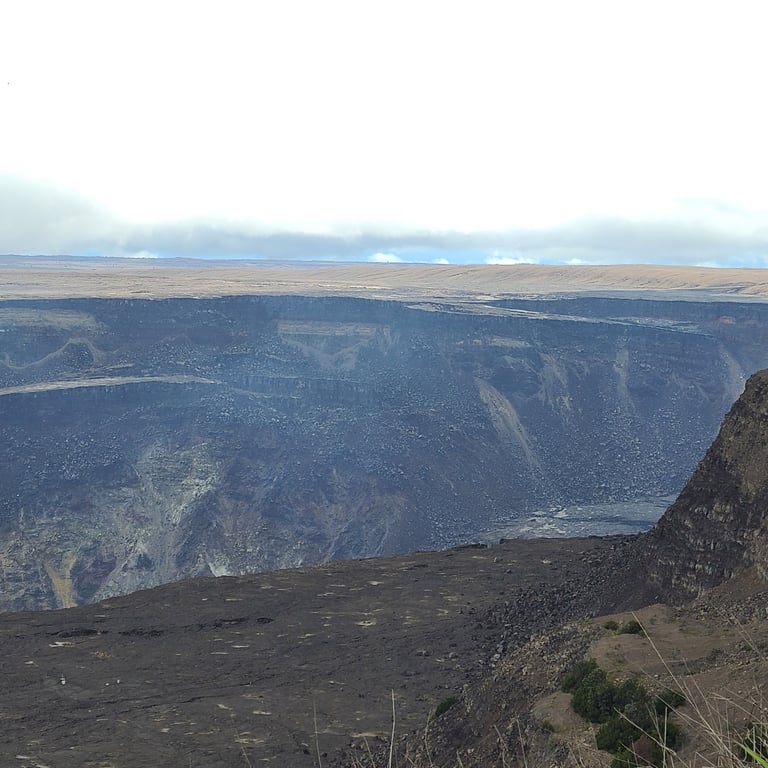
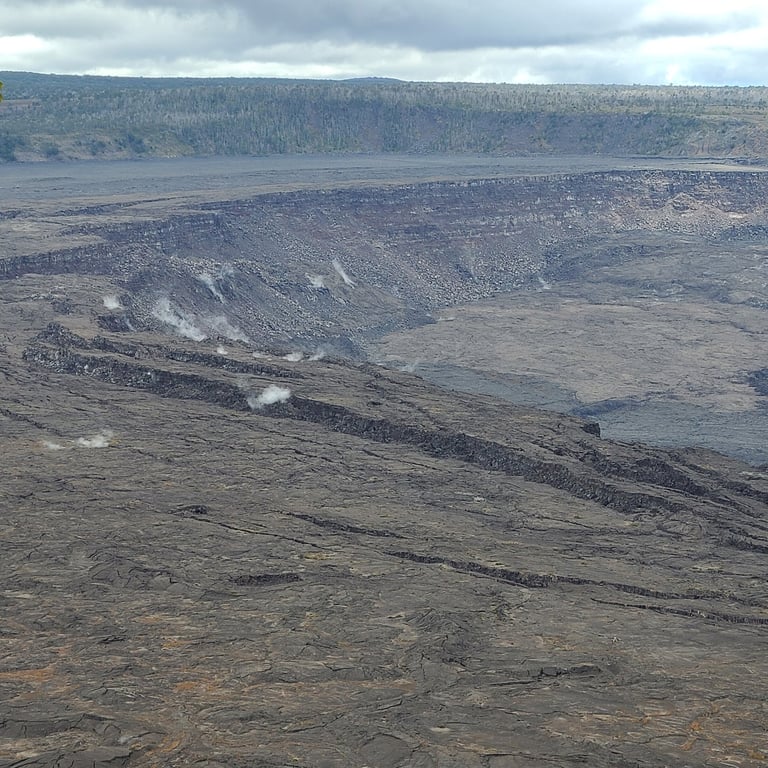
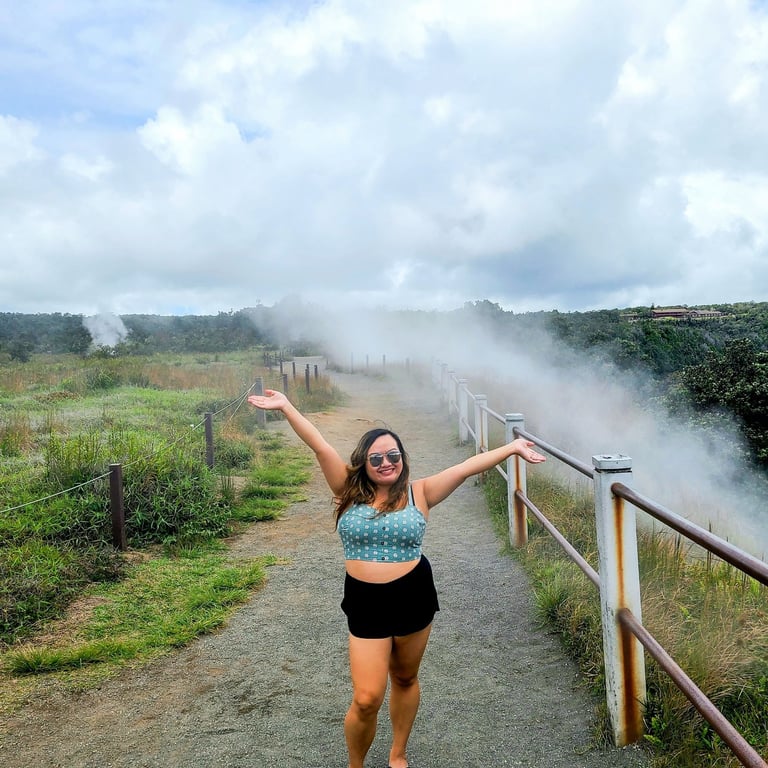
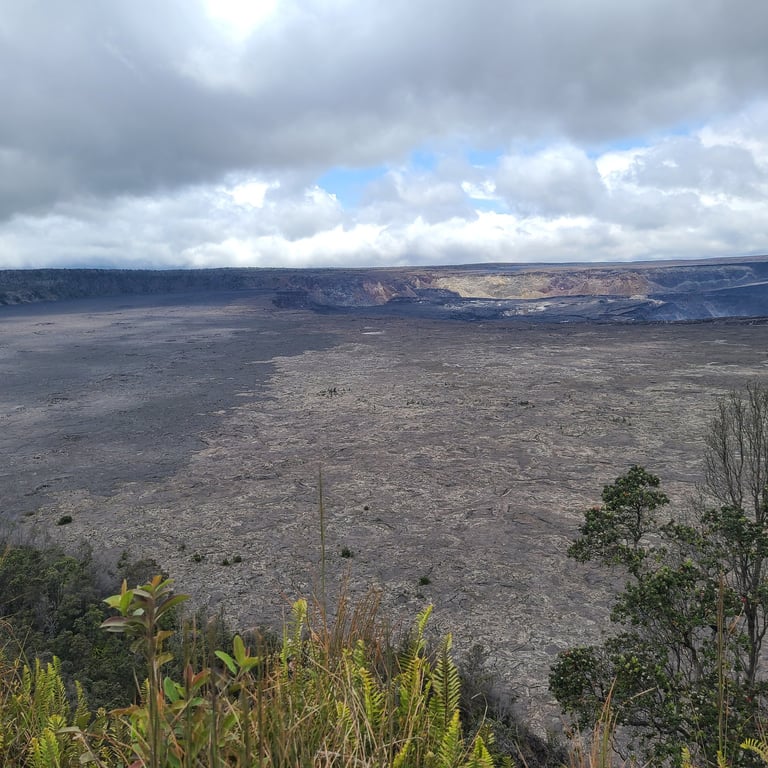
Above: went to some overlook at Volcanoes National Park!
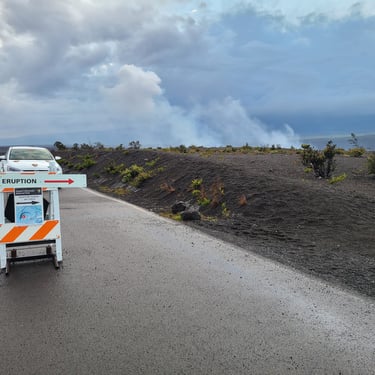
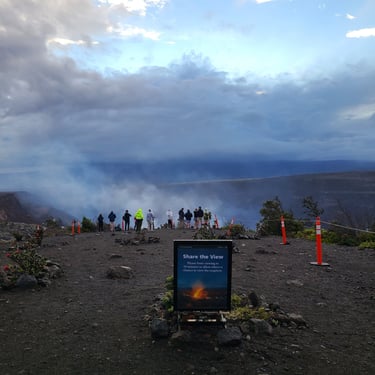
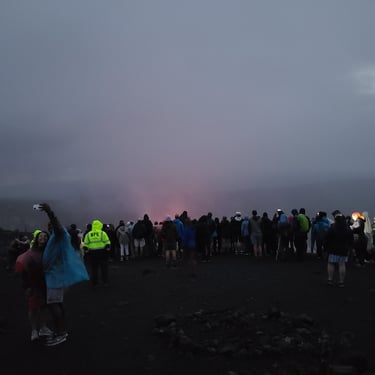
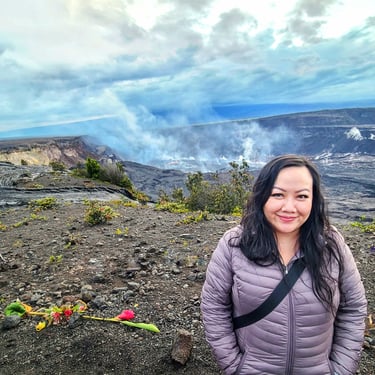
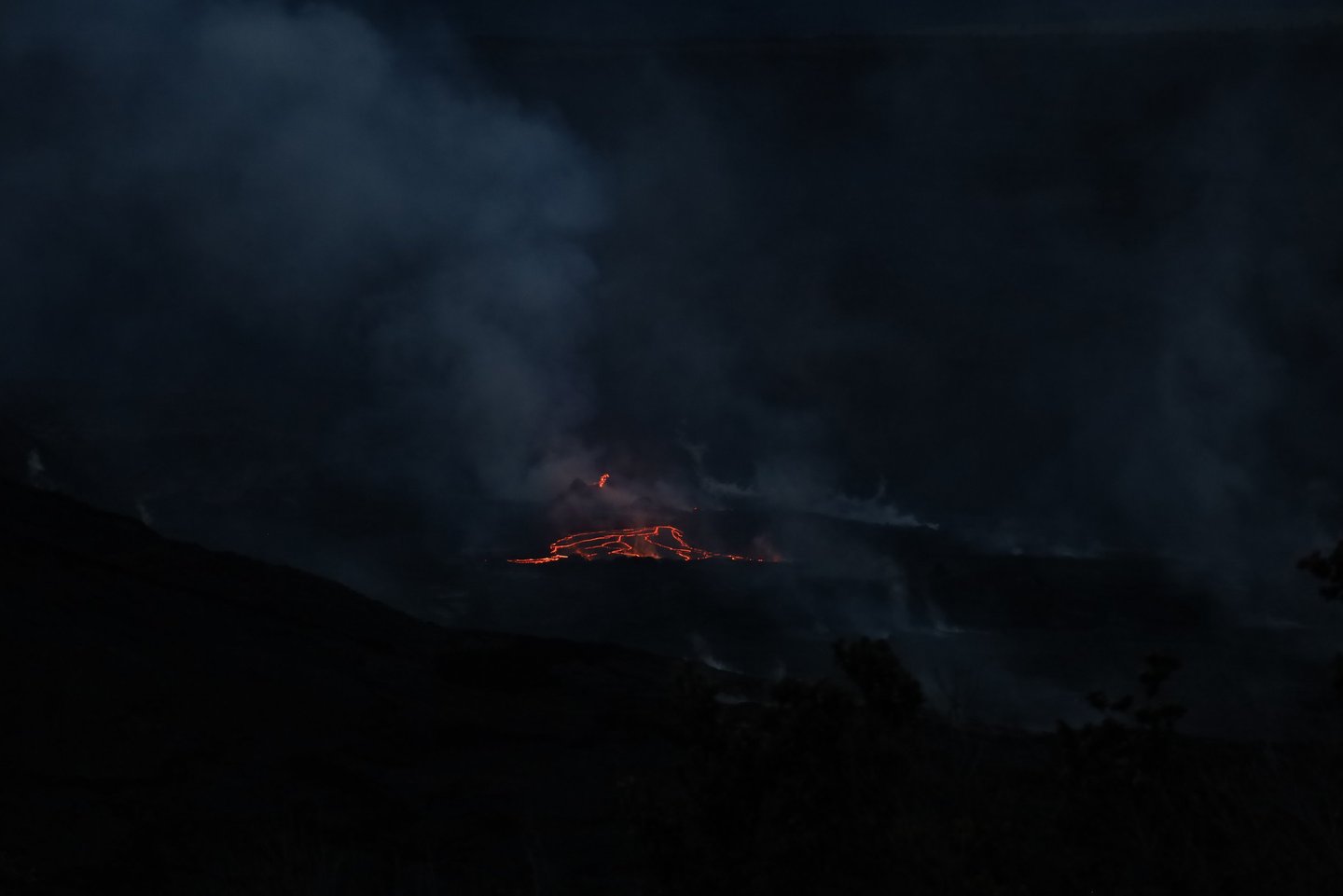
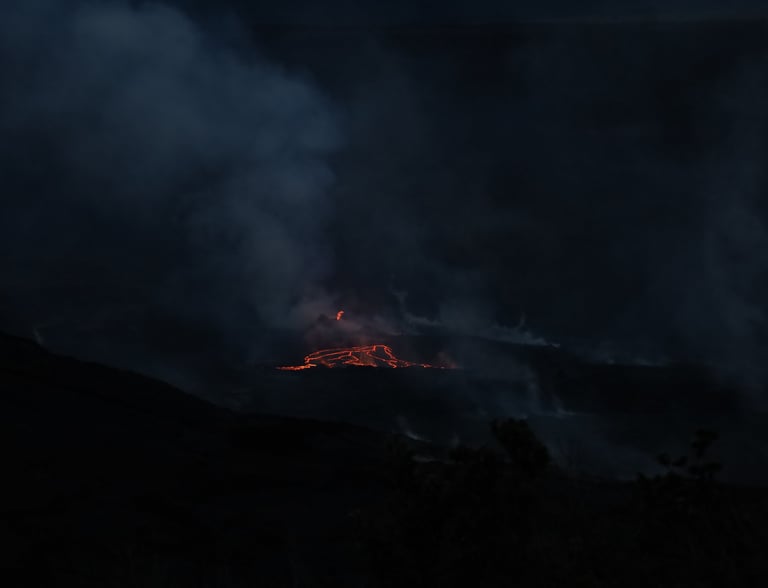
Above: we went to look at the eruption but only saw a glow!
South Kau Region (South)
Punaluʻu Black Sand Beach
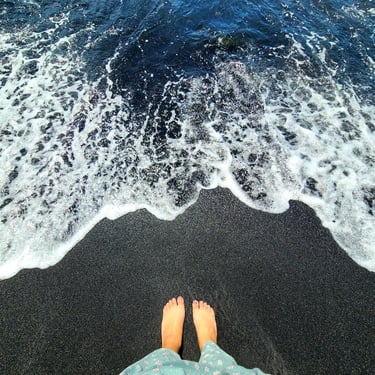
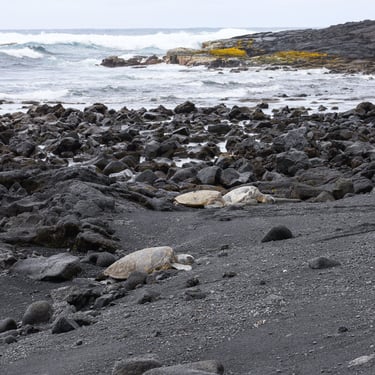
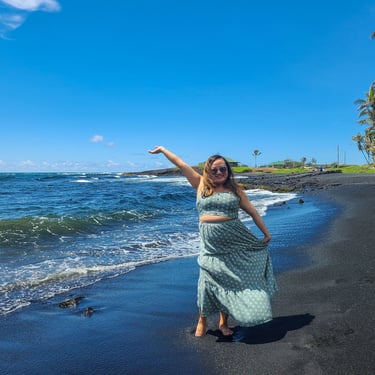
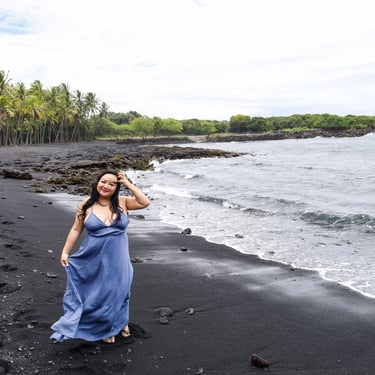
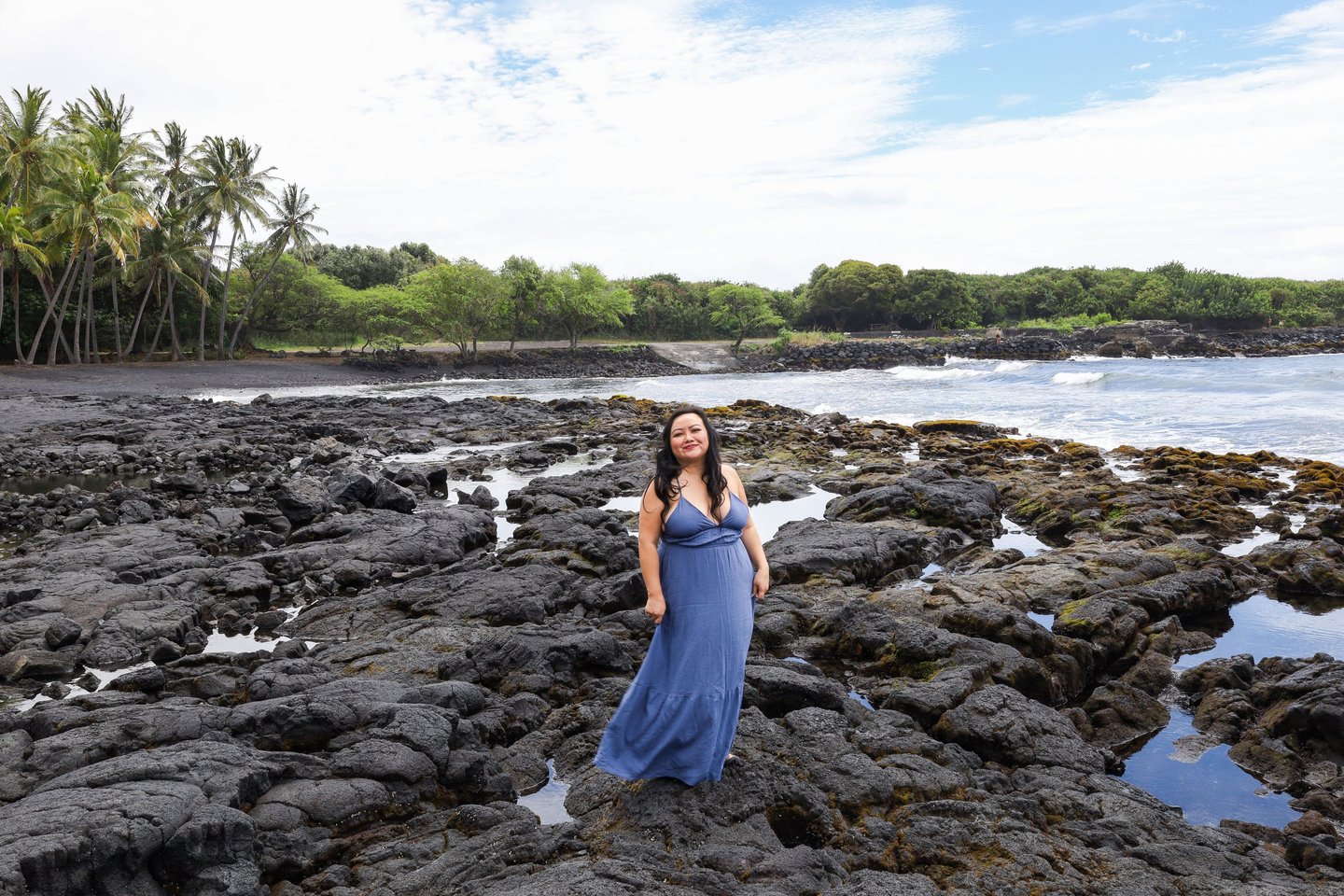
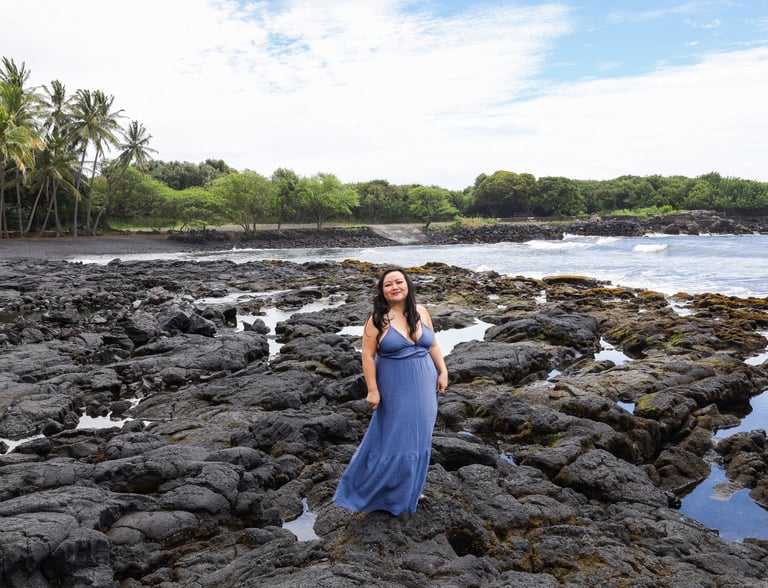
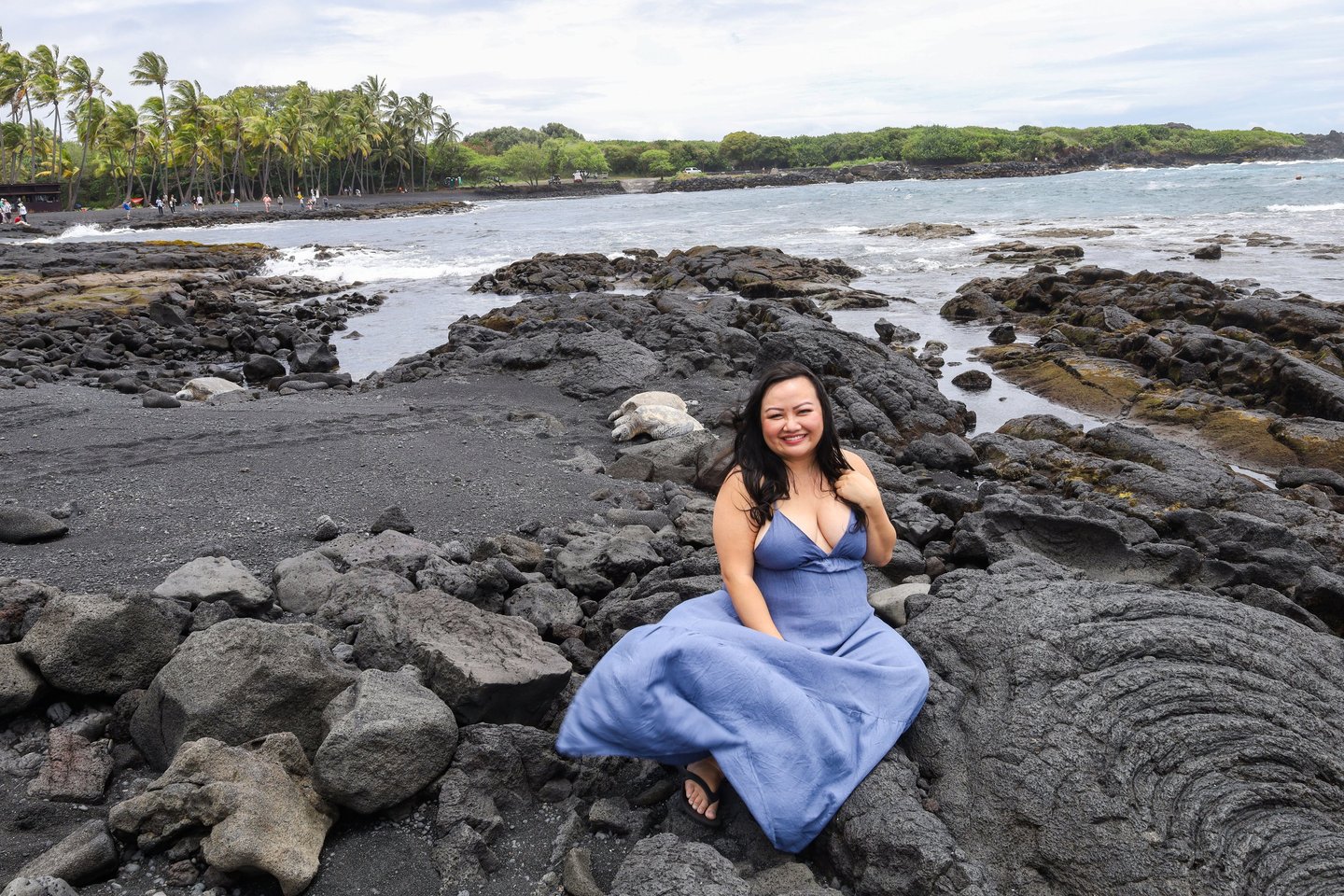
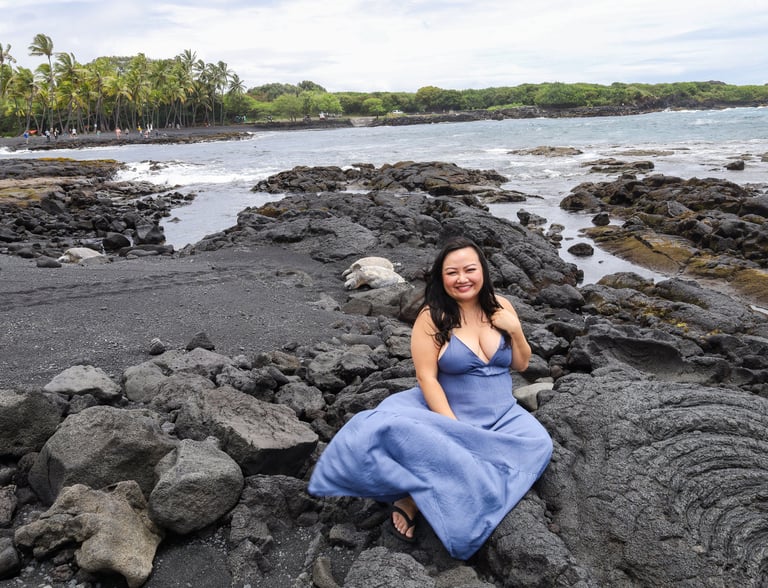
As its name states, Punalu’u is a black sand beach on the Big Island of Hawaii. It’s actually one of my favorite black sand beaches in Hawaii! It is only a little over one hour southwest of Hilo, so it’s not too far!
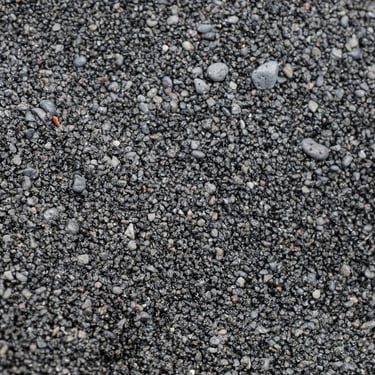
Punaluʻu Black Sand Beach gets its black sand from lava rocks so you’ll see that the sand is not soft but coarse.
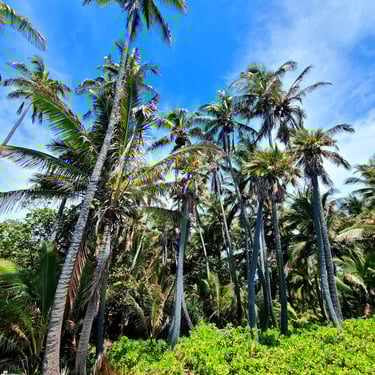
Once you arrive, you’ll see that this beach is lined with coconut palms, which truly gives you that island feel. You may even be greeted by a nene or two (Hawaiian goose), like we did last time haha!
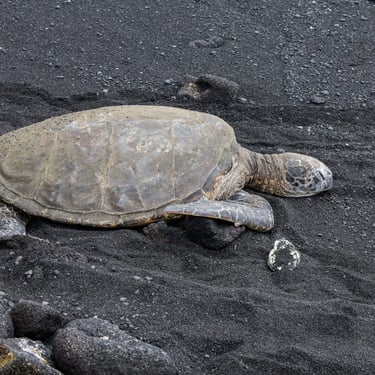
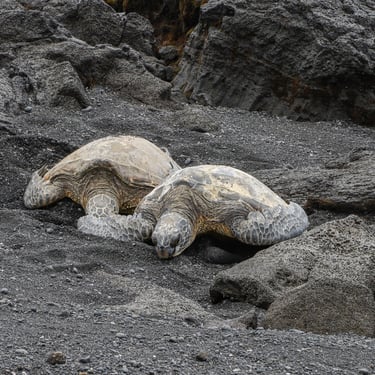
As you walk towards the beach, watch out, you might see large sea turtles basking. There are usually volunteers there to make sure the turtles are safe and to share information.
Keep in mind:
It is illegal to touch a turtle (this can result in heavy fines)
Stay at least 10ft away from them
Do not approach, touch, or chase them
Do not feed them
Do not pour water on them
Always give them a clear path to land and sea
Avoid making loud noises or sudden movements, which will startle them
Although swimming isn't ideal, there is a picnic area and restroom facilities so you can have lunch while you experience the unique feeling of black sand between your toes.
The black sand picks up a lot of heat, so make sure to bring sandals.
Papakolea Green Sand Beach
Located in Mahana Bay, this beach is one of only four green sand beaches on the planet. Its unique green hue comes from olivine, a mineral created when the volcanic cinder cone surrounding the bay gradually breaks down.
Surrounded by open fields, this beach is accessible only via a 5.5-mile roundtrip hike. The path is uneven and exposed to the sun, so hiking shoes and plenty of water are highly recommended.
Driving to the beach is illegal due to impassable sections caused by erosion and vehicle traffic. However, some locals offer off-road rides to and from the beach for a small cash fee, around $20-$25 as of 2026. Fair warning: the ride is very bumpy.
While the sand isn’t as green as you might expect, the beach is perfect for photography, sightseeing, birdwatching, and just soaking in the scenery. The water is rough, so it’s best to skip swimming.
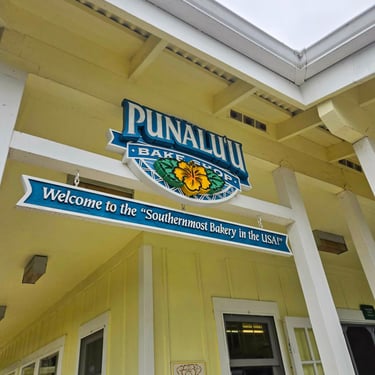
Punalu'u Bake Shop
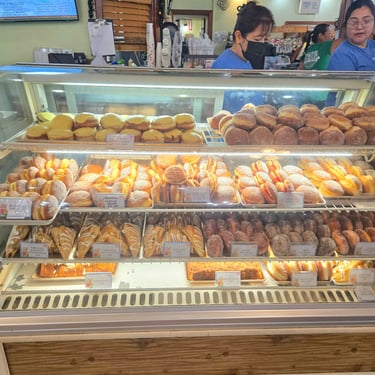
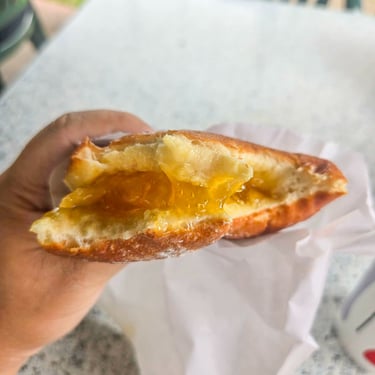
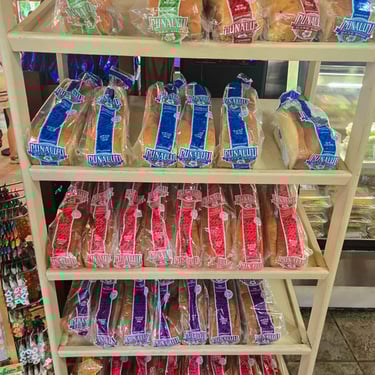
If you’re near Punaluʻu Black Sand Beach, make a stop at Punaluʻu Bake Shop in Naalehu. They’re known for their fresh Hawaiian sweet bread (so many flavors!) and tasty malasadas.
It’s a great little stop for a quick lunch or sweet treat. There’s a cute garden area with greenery and a fish pond where you can sit and relax, plus a gift shop filled with fun finds. We did get some sweet bread to go; we got taro and kalokoa (mango, guava, and taro mixed). However, my favorite was their malasadas!